
Corbett Tiger Safari Adventures
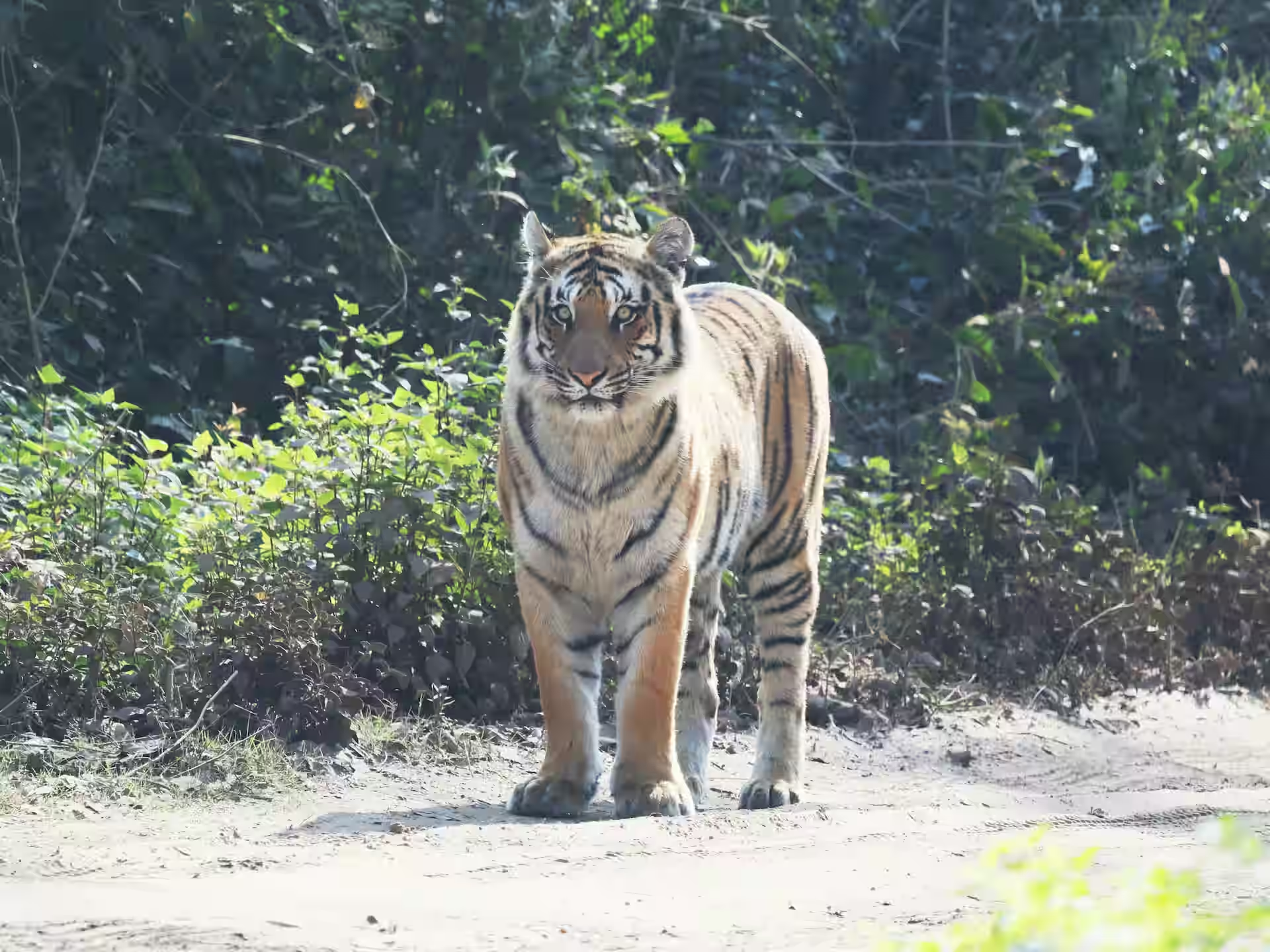
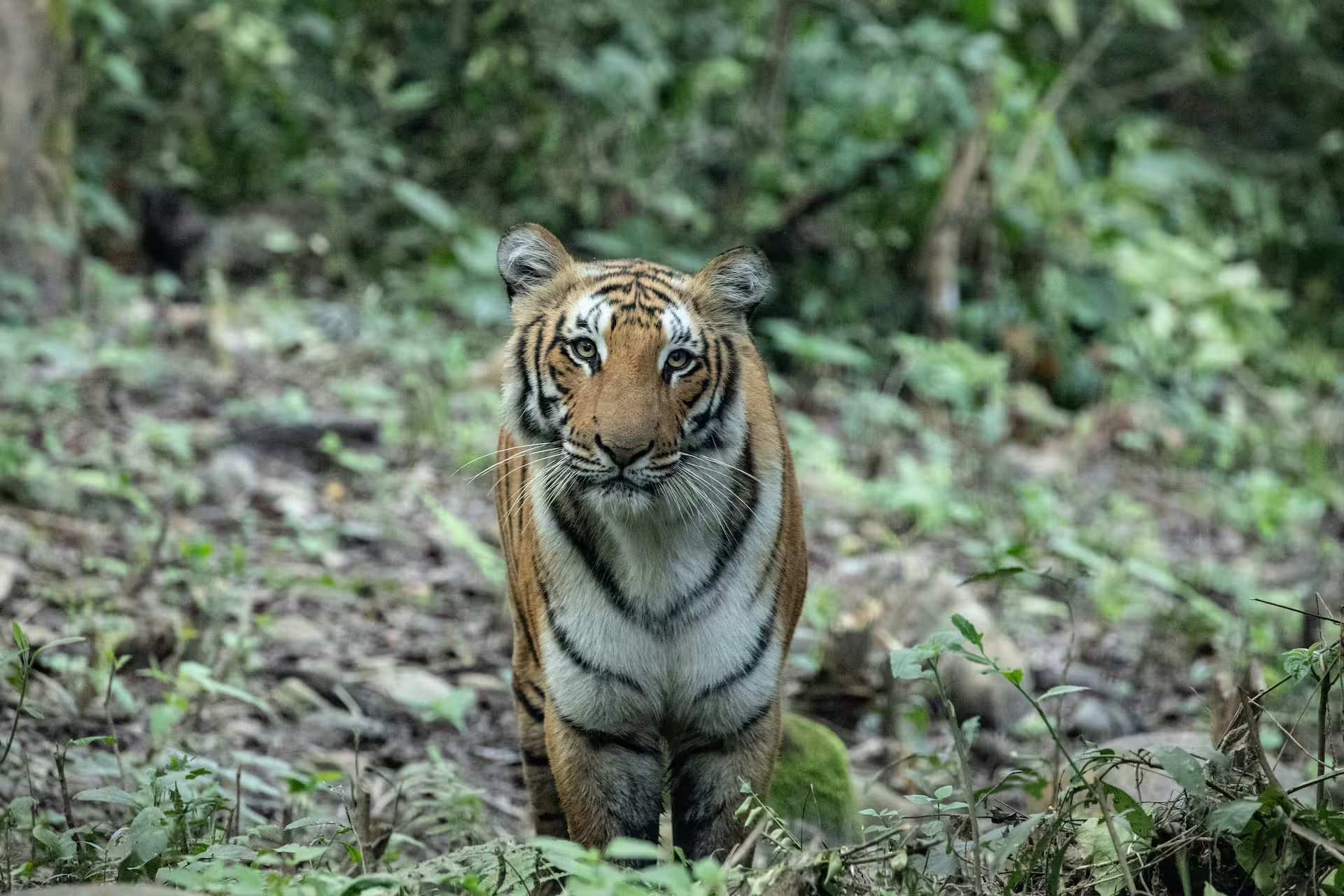
Jim Corbett National Park holds a place unlike any other in Indian wildlife history. Established in 1936 as Hailey National Park, it was India's first national park and one of the founding reserves under Project Tiger in 1973. Today it is home to more than 250 Bengal tigers, making it one of the highest tiger-density reserves in the country.
Located in the Nainital and Pauri Garhwal districts of Uttarakhand, Corbett sits at the foothills of the Himalayas where the Ramganga River cuts through dense Sal forests, open grasslands, and rocky hillsides. This variety of terrain supports an extraordinary range of wildlife including leopards, Asian elephants, gharials, sloth bears, and over 600 bird species recorded across its five safari zones.
Corbett is also one of the few reserves in India with both jeep safaris in the core zones and canter safaris into the famous Dhikala zone, a vast grassland floodplain that offers some of the most dramatic wildlife scenery in Asia.
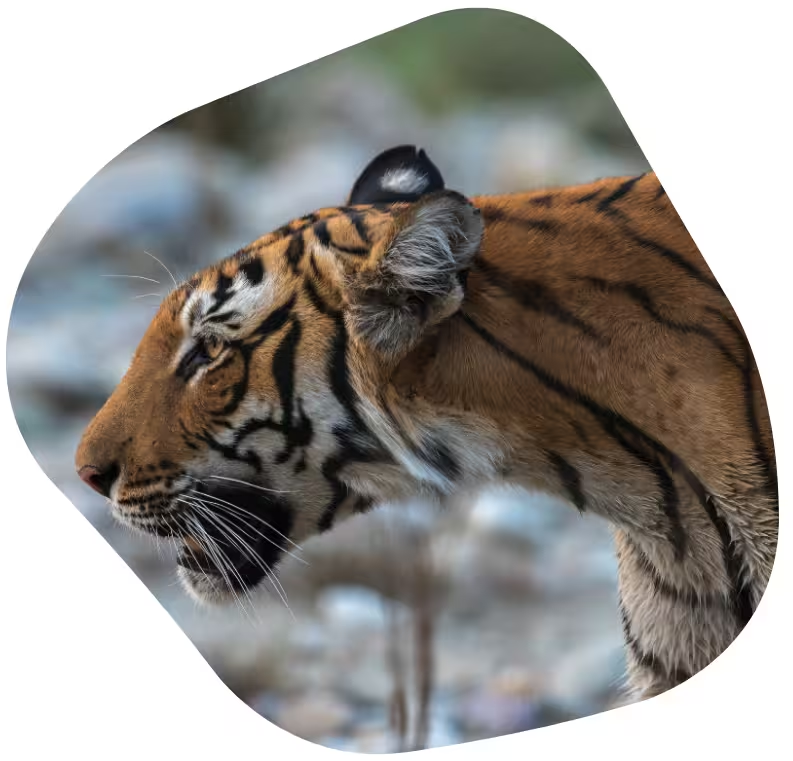
250+ Bengal Tigers
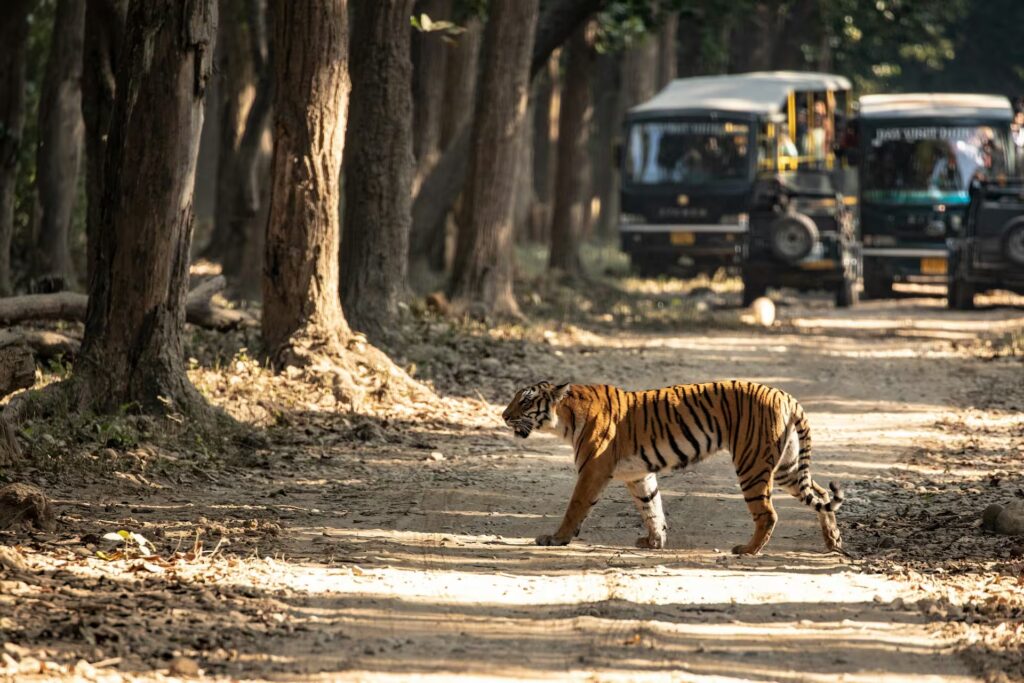
Corbett has one of the largest tiger populations of any reserve in India. The Dhikala and Bijrani zones are known for frequent and unhurried tiger sightings in open terrain.
100+ Indian Leopards
Leopards are found throughout Corbett's buffer zones and forested hillsides. The jhirna and Durga Devi zones offer particularly good leopard sighting opportunities.
50+ Mammal Species
Asian elephants, sloth bears, sambar, chital, barking deer, wild boar, and otters are among the 50+ mammal species recorded across Corbett's diverse habitats.
600+ Bird Species
Corbett is one of the richest birding destinations in Asia with 600+ species. It is a stronghold for the endangered fish owl, crested serpent eagle, and several Himalayan species.
Rich Butterfly Diversity
Corbett's varied vegetation from riverine forest to Himalayan foothills supports a wide range of butterfly species, most active between July and October.

Economical Packages
From quick Dhikala weekend breaks to full multi-park north India wildlife circuits, we have packages designed for every budget and travel style.
Popular Corbett Packages
2 Nights / 3 Days
Corbett Weekend Tour
3 Nights / 4 Days
Corbett Budget Safari Tour
6 Nights / 7 Days
Corbett - Ranthambore Tour
7 Nights / 8 Days
Corbett, Ranthambore & Taj Mahal Safari
6 Nights / 7 Days
Corbett & Dudhwa Safari
3 Nights / 4 Days
Dhikala Bijrani Safari
Top Things to do

Jeep Safari
Explore Corbett's core zones in an open jeep with a trained naturalist. Bijrani is best for tigers, Jhirna for leopards, and Durga Devi for elephants and birds.

Canter Safari
The iconic Dhikala grassland zone is accessible only by canter safari. Tigers, elephants, and deer are seen regularly against a stunning Himalayan foothills backdrop.
Bird Watching
Corbett records 600+ bird species across its zones. The Ramganga reservoir attracts osprey and river terns while Dhikala grasslands host swamp francolins and Bengal floricans.

Wildlife Photography
Tigers in Sal clearings, elephants at the Ramganga at sunrise, and Himalayan foothills framing every shot make Corbett one of India's finest wildlife photography destinations.
Best Time to Visit
Corbett in Summer (March to June)
Peak season for tiger sightings with temperatures between 25°C and 40°C. Animals gather near waterholes and the Ramganga River giving better open sightings. Dhikala is especially productive in April and May with good permit availability.
Corbett in Winter (November to February)
Peak tourist season with temperatures between 4°C and 20°C. Cool mornings are ideal for jeep drives and photography. Migratory birds arrive from November onwards and Bijrani and Jhirna zones are very productive for tiger and leopard sightings.
Corbett in Monsoon (July to October)
Most core zones close during monsoon except Jhirna and Sitabani which stay open year-round. Visitor numbers drop sharply making safaris quieter and more affordable. Tiger and leopard sightings in Jhirna can actually be very good with less disturbance.
Travel Information Guide
Safari Booking
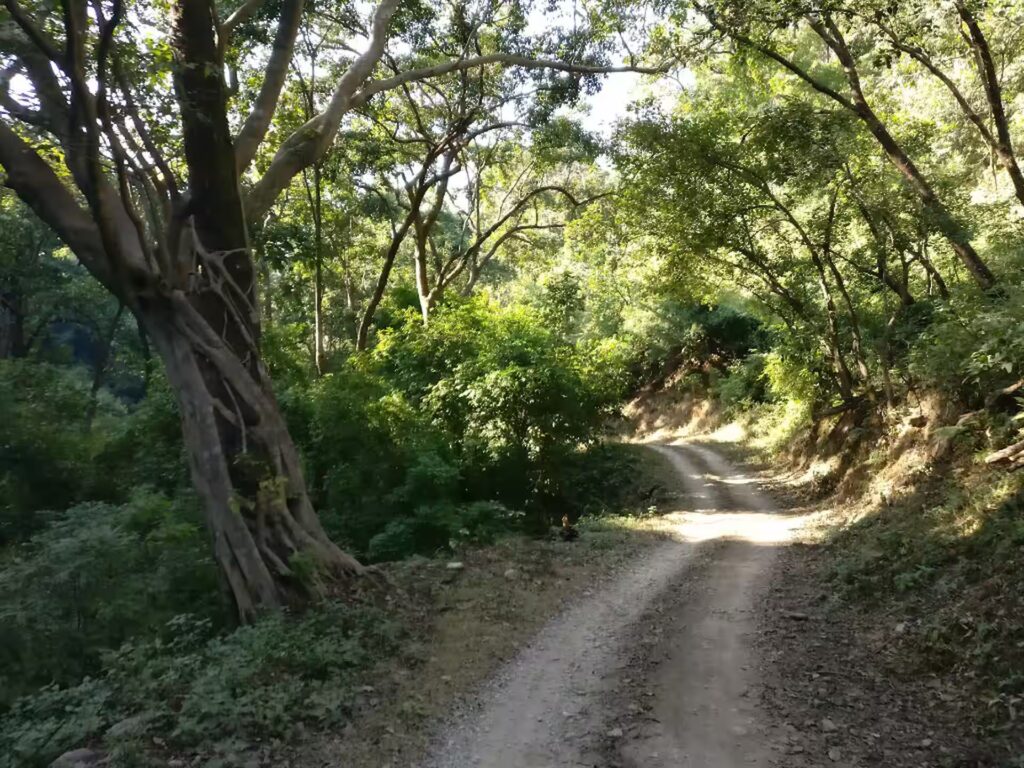
Flora in Corbett
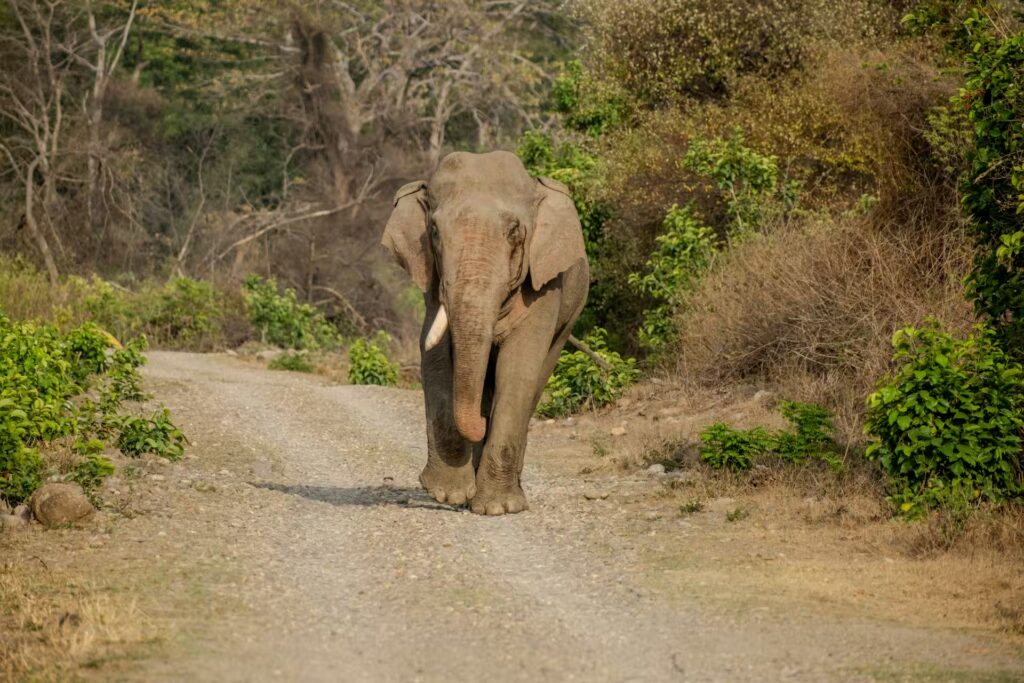
How to Reach
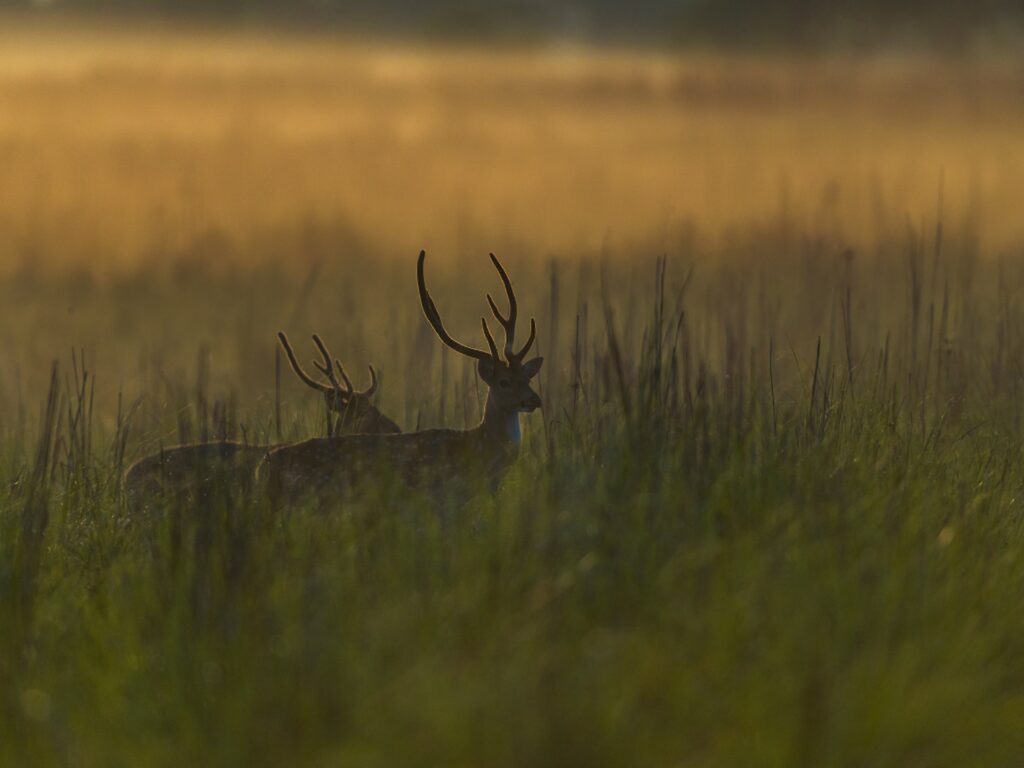
Safari Zones
From Our Blog
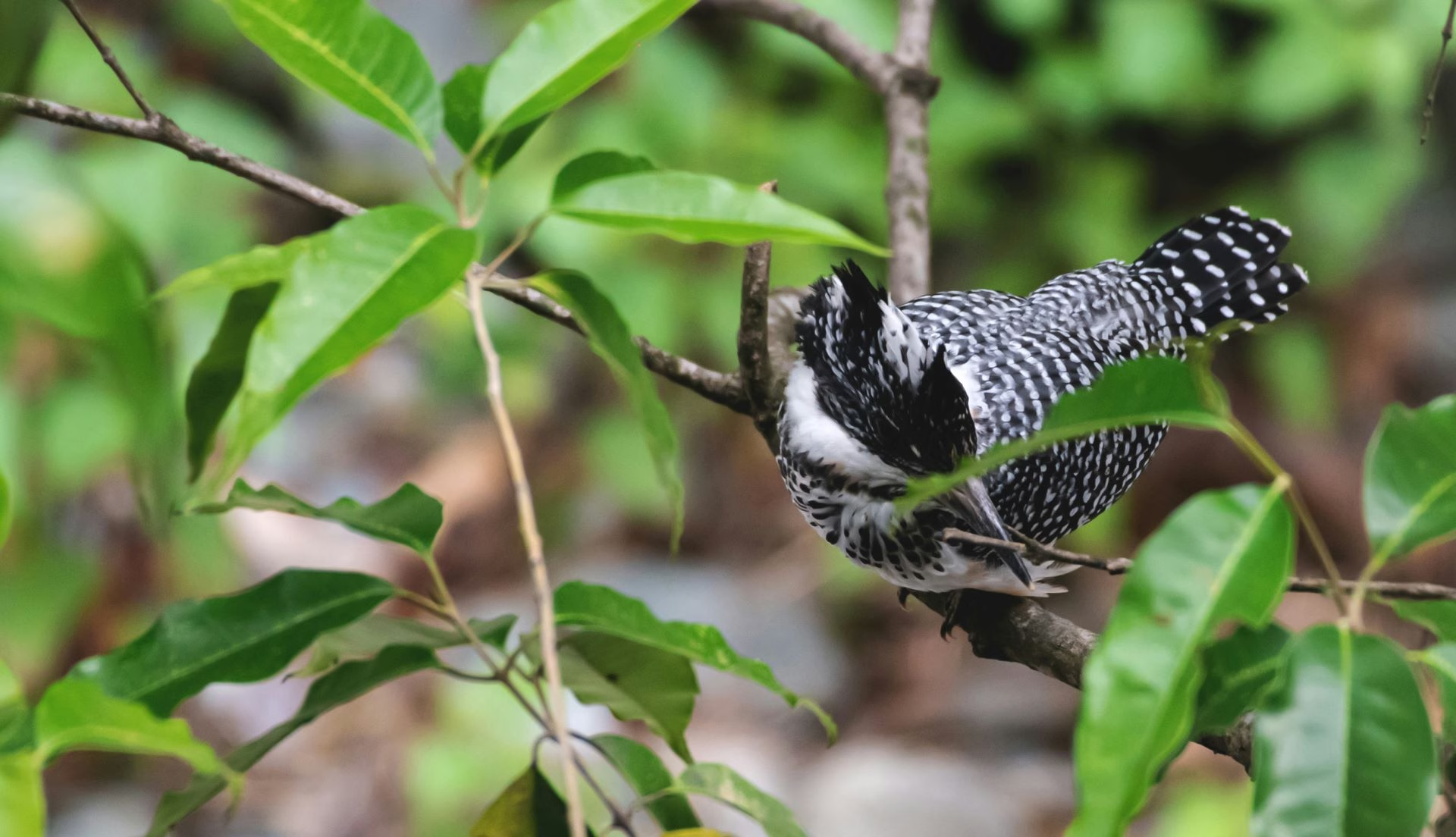
Book Your Jeep Safari !
Get ready for an unforgettable adventure in Jim Corbett National Park, the land of the legendary Royal Bengal Tiger. Explore the wild beauty of dense Sal forests, sparkling rivers, and open grasslands as you witness nature at its finest.
Frequently Asked Questions
What is Jim Corbett National Park famous for?
Jim Corbett National Park is India's first national park, established in 1936, and one of the original Project Tiger reserves. It is known for its Bengal tiger population, Dhikala grasslands, the Ramganga River, Asian elephants, gharials, and more than 600 bird species.
Where is Jim Corbett National Park located?
Jim Corbett National Park is located in the Nainital and Pauri Garhwal districts of Uttarakhand. The main tourist gateway is Ramnagar, about 260 km from Delhi and 65 km from Nainital, at the foothills of the Kumaon Himalayas.
Which are the best safari zones in Jim Corbett National Park?
The main safari zones are Dhikala, Bijrani, Jhirna, Durga Devi, and Sitabani. Dhikala is the most popular for wildlife, Bijrani is known for jeep safaris and tiger sightings, Jhirna remains open throughout the year, Durga Devi is excellent for birdwatching, and Sitabani is a buffer zone with year-round access.
What wildlife can I see in Jim Corbett National Park?
Jim Corbett National Park is home to Bengal tigers, leopards, Asian elephants, sloth bears, sambar, chital, barking deer, wild boar, gharials, mugger crocodiles, otters, and more than 600 bird species including kingfishers, fish owls, and ospreys.
What is the best time to visit Corbett for tiger sightings?
March to June is the best time for tiger sightings in Jim Corbett National Park, especially in the Dhikala zone. November to February offers pleasant weather, excellent birdwatching, and a wide variety of wildlife experiences.
How do I reach Jim Corbett National Park?
Ramnagar Railway Station is the nearest railhead, about 15 km from the park's main entrance. Pantnagar Airport is around 80 km away, while Delhi is approximately 260 km by road with a travel time of about 5 to 6 hours.