Corbett feels different from most central Indian parks.
Here, the Ramganga River shapes the landscape. Broad riverbeds, grasslands, sal forests, and reservoirs create varied bird habitats within short distances.
You do not just look at treetops here. You scan riverbanks, sandbars, and open skies. Corbett is one of North India’s strongest birding destinations, especially in winter.
Here are ten birds that define the Corbett experience.
Pallas’s Fish Eagle
One of Corbett’s most talked-about birds.
This large raptor is usually seen near the Ramganga Reservoir. It perches on tall riverside trees and scans for fish. Winter months offer better chances. Seeing one glide low over water is a serious highlight for birders.
Great Hornbill
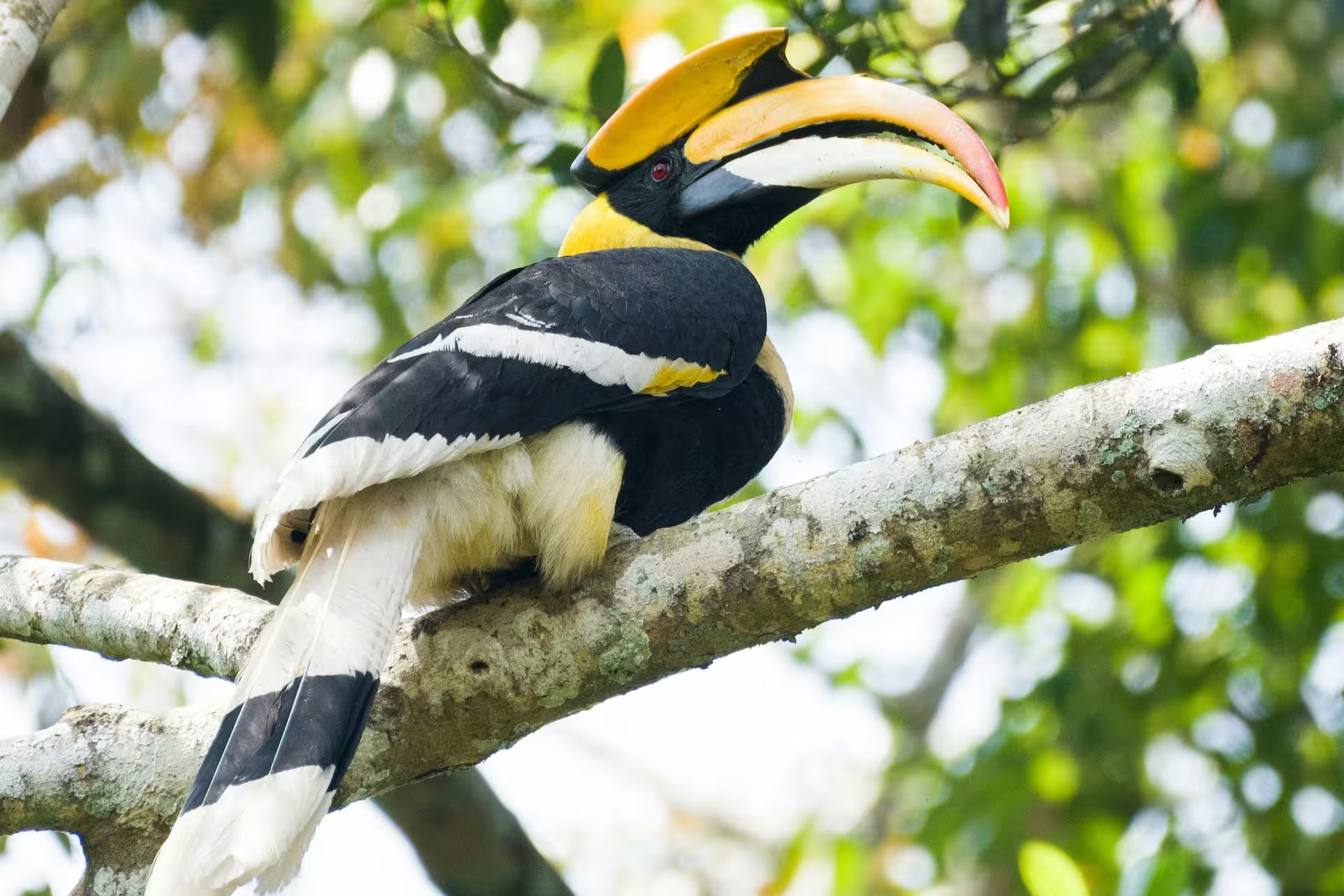
Corbett’s old sal forests support a healthy hornbill population.
These large birds move in pairs or small groups. You often hear their wingbeats before you see them. They feed on figs and forest fruits and are usually active in early mornings.
River Lapwing
A true river specialist.
Look for them walking along sandy riverbanks. Their black cap and white throat stand out clearly. They prefer open stretches of river and shallow edges.
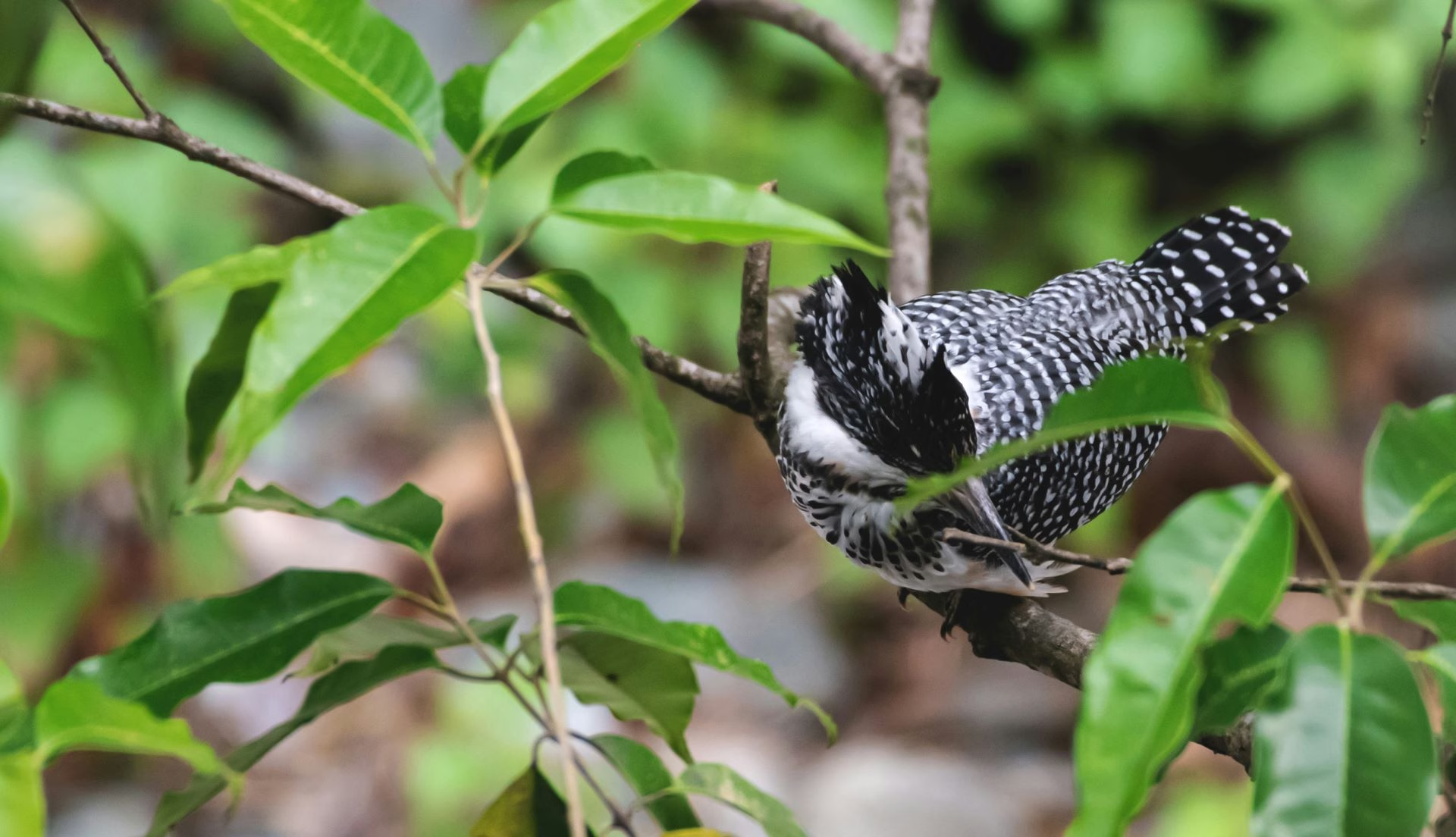
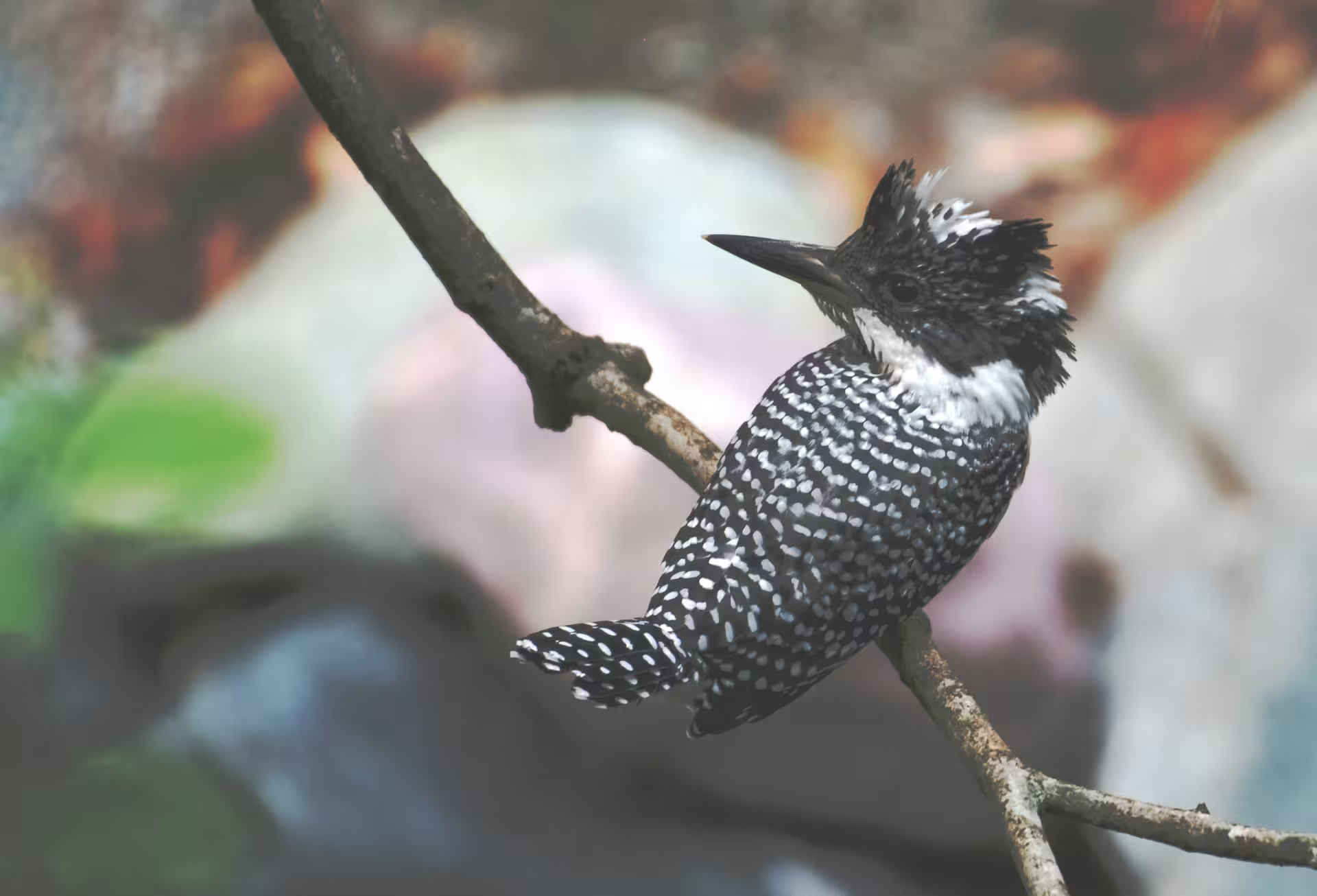
Crested Kingfisher
One of India’s largest kingfishers.
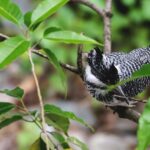
It sits quietly on branches over fast-flowing sections of the river. The bold black-and-white pattern makes it easy to identify. You may see it dive straight into the water for fish.
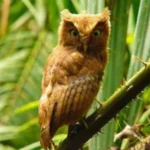
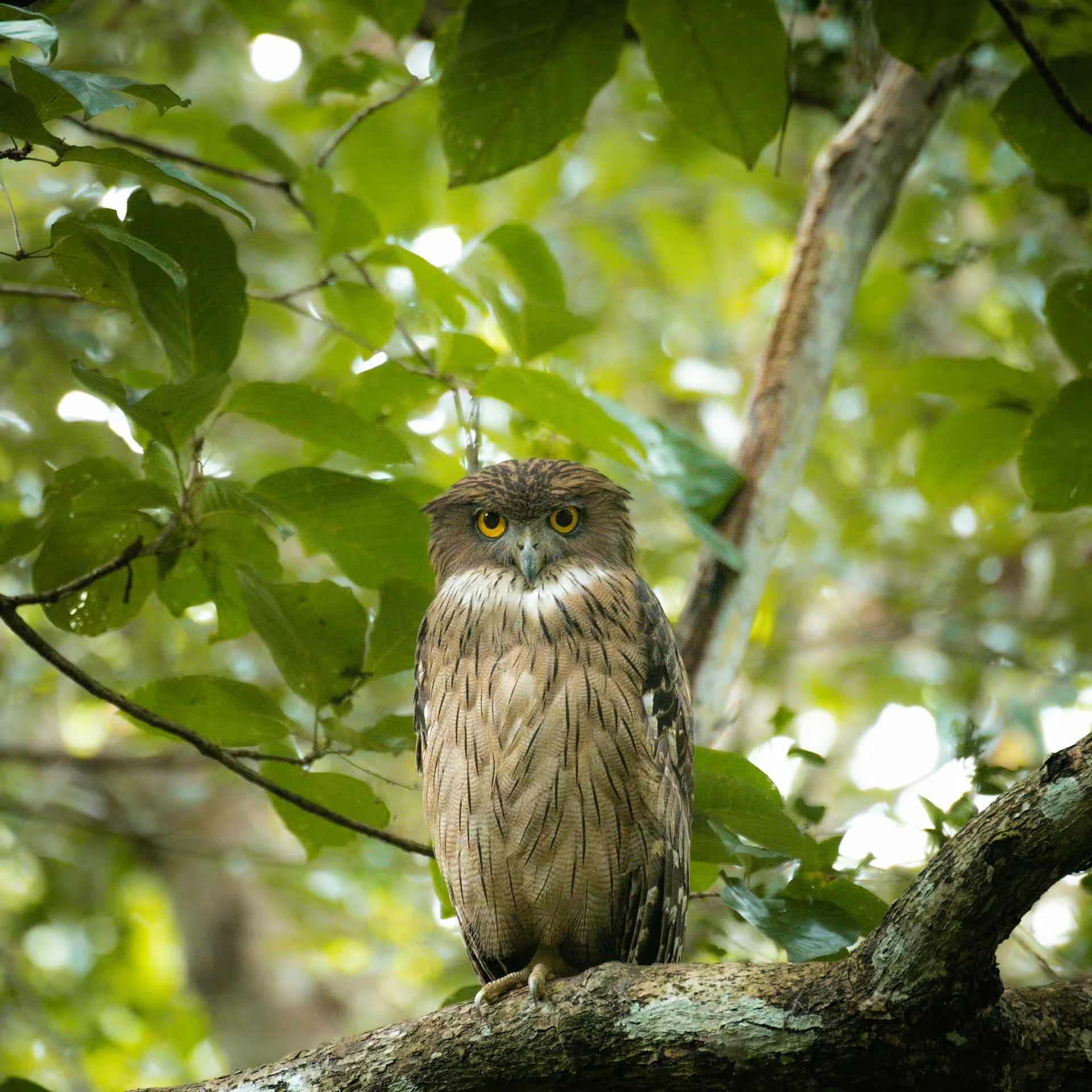
Brown Fish Owl
Mostly active at dusk and early morning.
It prefers riverside trees and shaded forest patches. Guides sometimes know fixed roosting spots, especially in quieter safari zones.
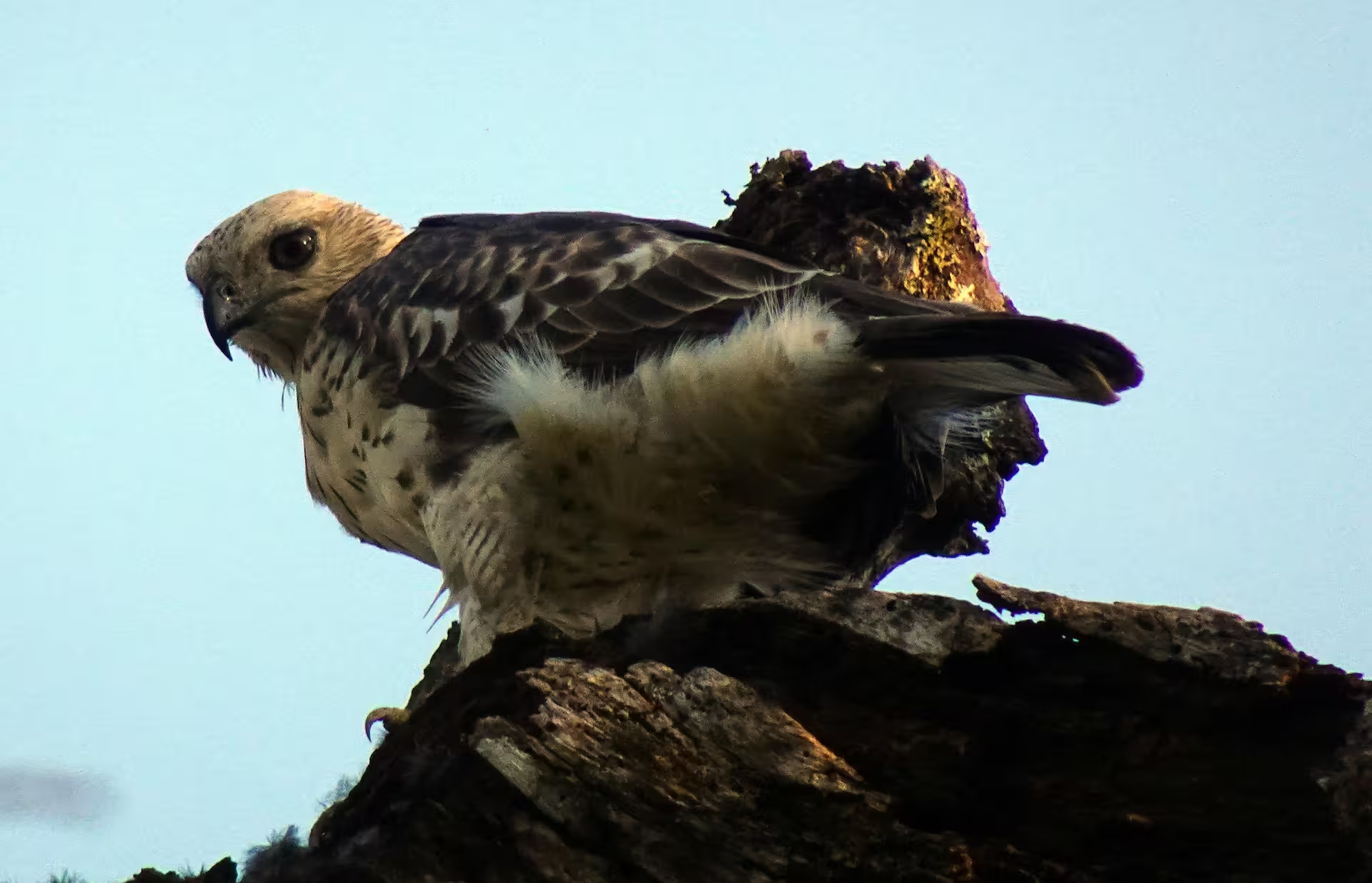
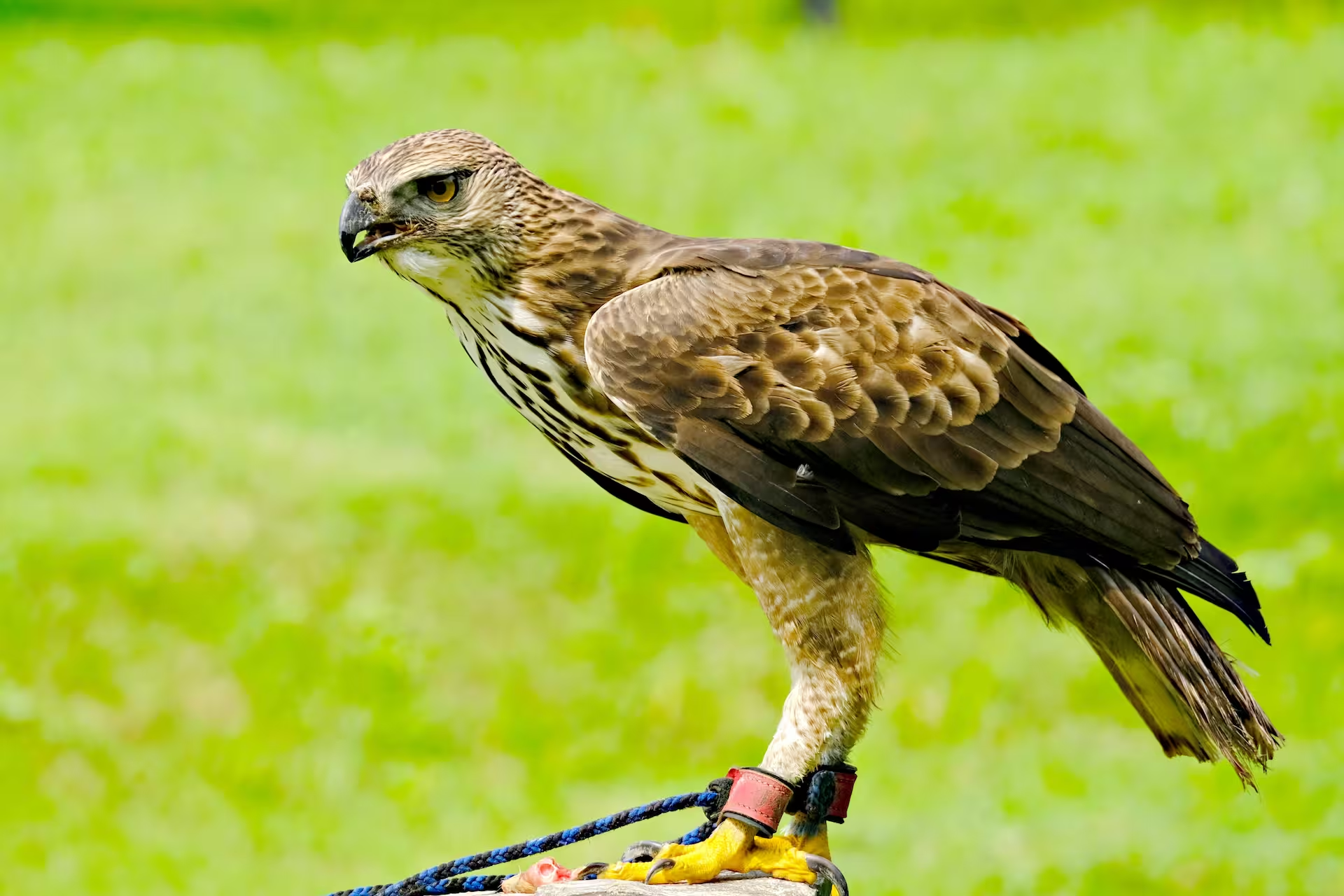
Changeable Hawk-Eagle
Common across forested stretches.
Often seen perched high in sal trees. During warm hours, it soars above clearings. Its sharp whistle-like call is a good clue to its presence.
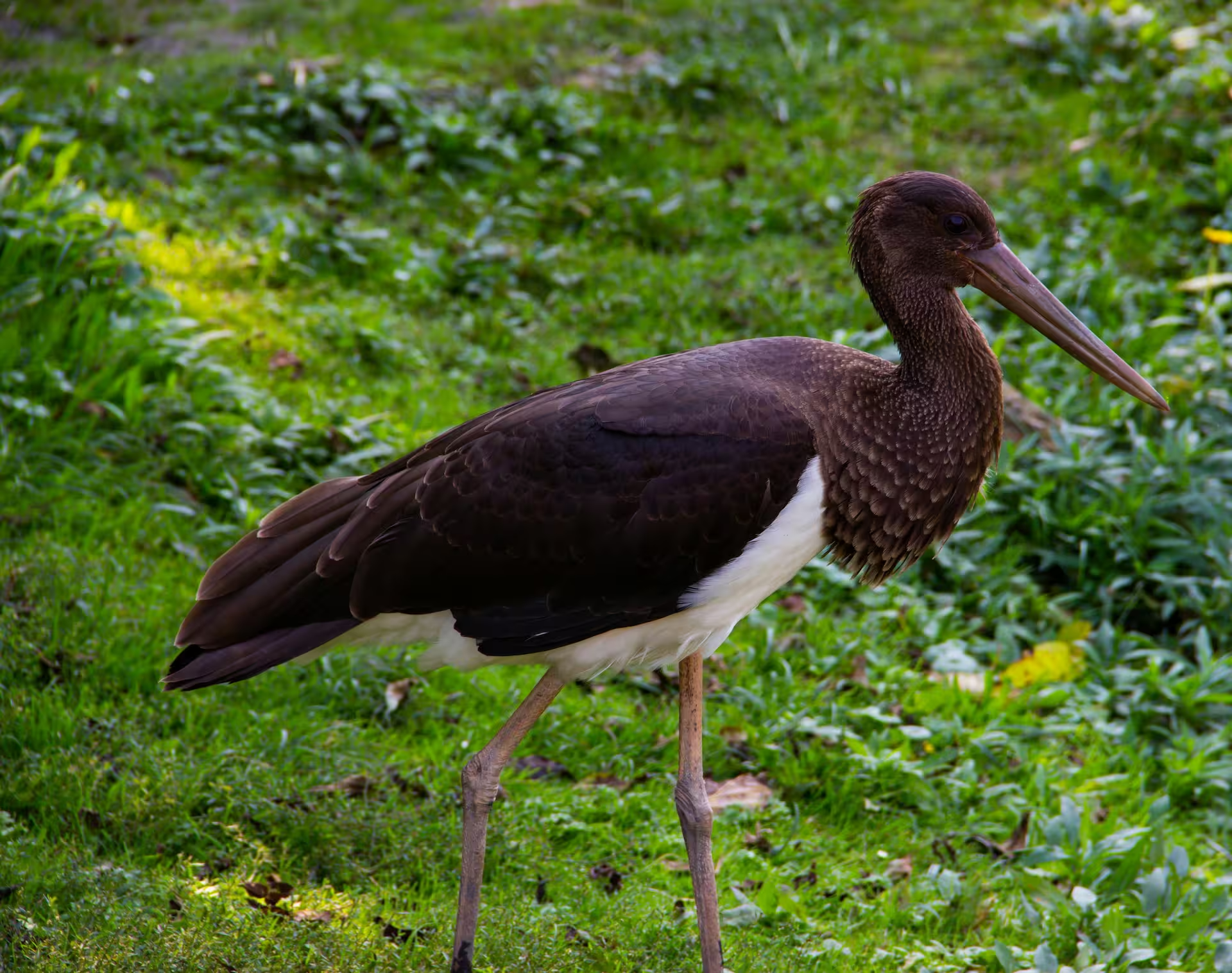
Black Stork (Winter Visitor)
A seasonal highlight.
During winter, black storks feed in shallow water zones. They move slowly while searching for fish and amphibians. Their glossy dark body and red legs make them easy to notice in open areas.
Wallcreeper (Rare Winter Sightings)
A small bird with striking red wing flashes.
Seen occasionally near rocky river sections and boulders during winter. It clings to rock surfaces while searching for insects.
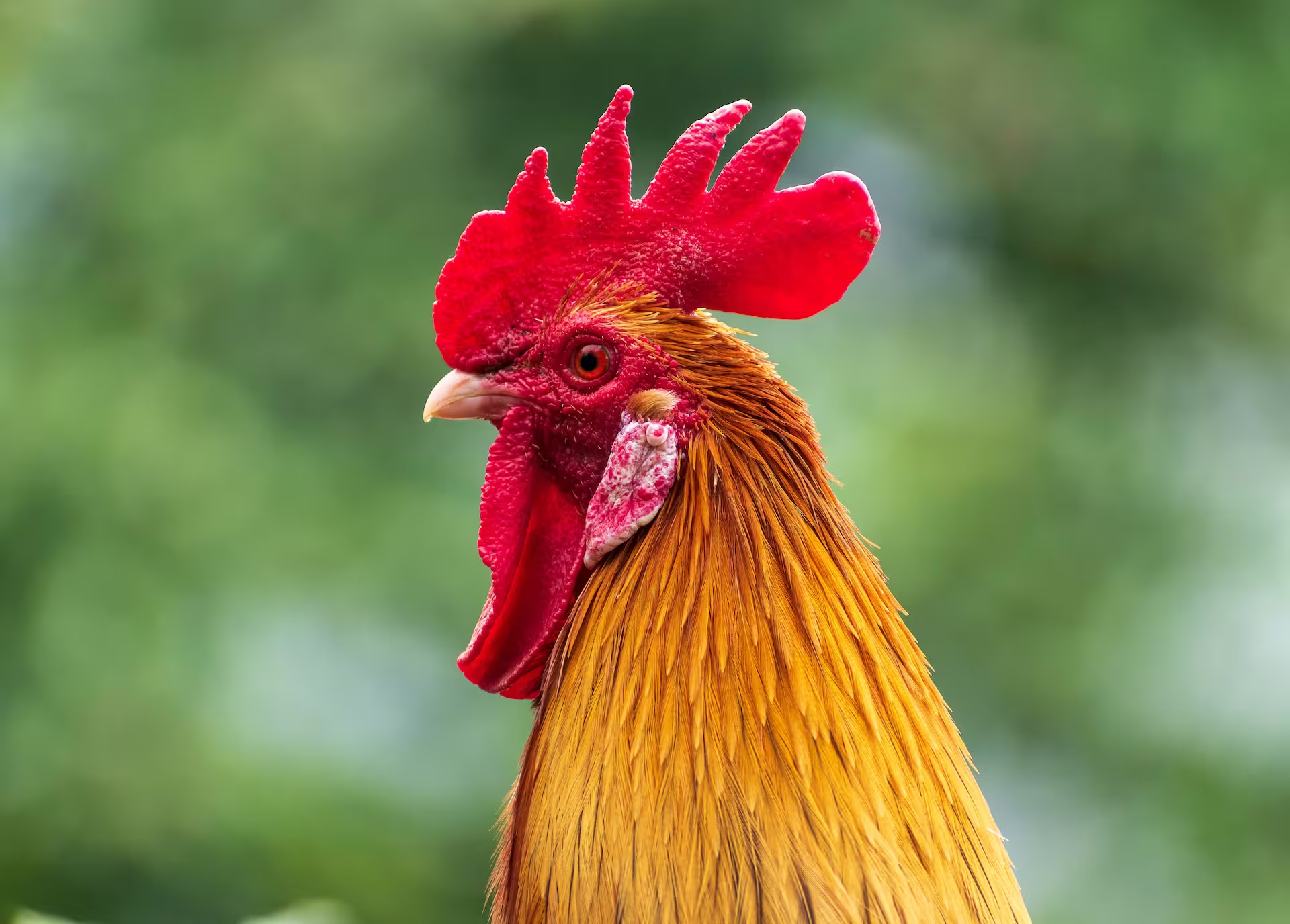
Red Junglefowl
Common but always interesting to observe.
Often seen crossing forest tracks or feeding near clearings. Males show bright plumage, especially in early morning light.
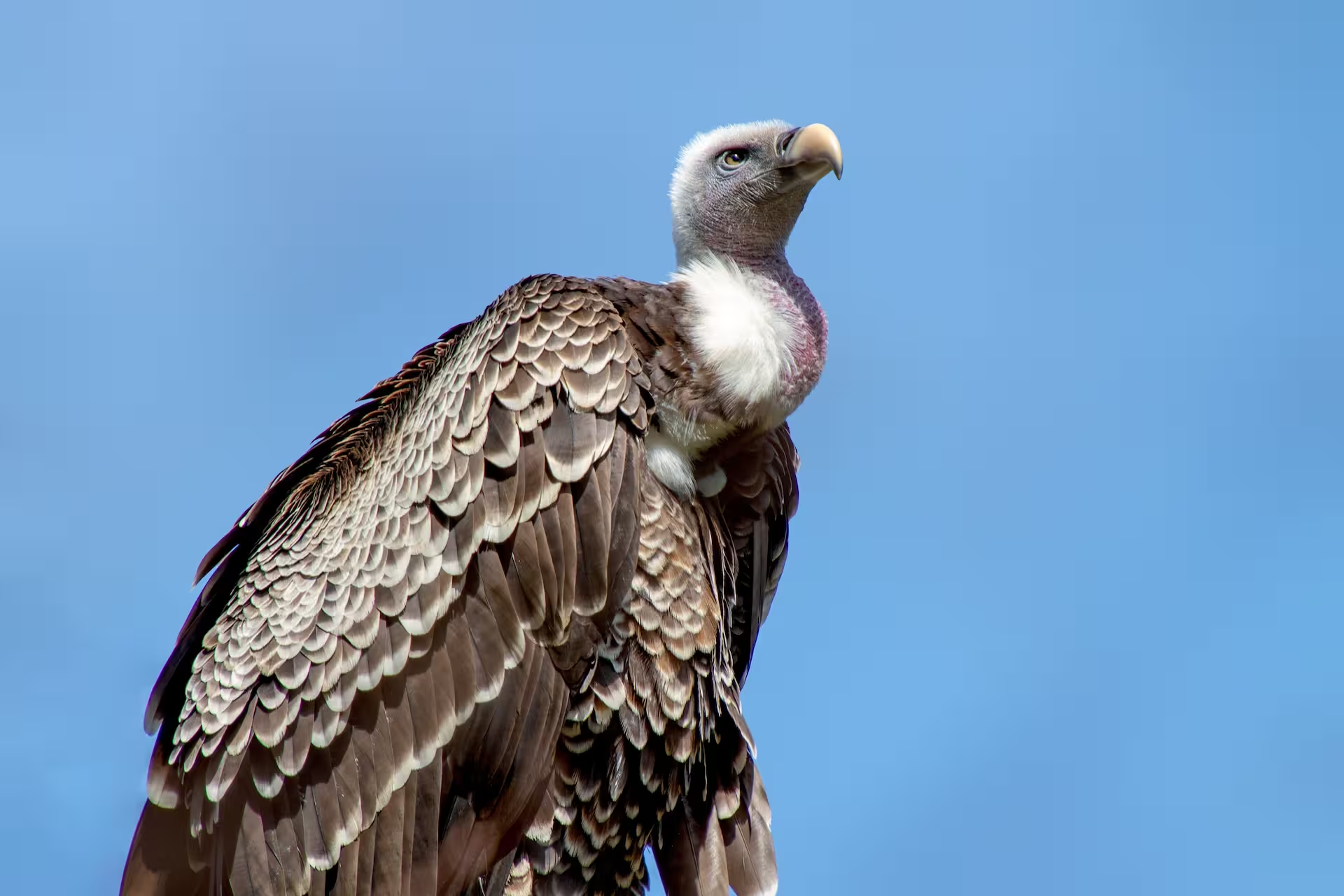
White-rumped Vulture
Corbett still supports vulture populations, though sightings vary.
They are usually seen perched on tall trees or circling high above riverbeds. Their presence reflects healthy scavenger ecology in the park.
Why Corbett Stands Out for Birdwatching
Corbett offers more habitat diversity than most tiger reserves.
You get:
- Fast-flowing rivers
- Large reservoirs
- Dense sal forests
- Open grasslands
This mix supports over 500 bird species across seasons. Winter months, especially November to February, bring migratory species that increase diversity further.
Unlike central Indian parks where woodland birds dominate, Corbett’s river ecosystem plays a central role in bird movement and sightings.
Best Time for Birding in Corbett
- Winter (November to February): Peak season for migratory species.
- Early summer (March to April): Good raptor visibility.
- Early mornings: Best overall activity.
River stretches in Dhikala and Bijrani zones are particularly rewarding for birdwatchers.
Final Thoughts
Corbett is not only about tigers.
The river system, forest cover, and seasonal migrants make it one of India’s strongest birding landscapes inside a national park. Even on days without big mammal sightings, bird movement keeps the safari active.
If you slow down and watch carefully, Corbett reveals a different kind of wilderness — one shaped as much by wings as by paws.