Where the Modern Story Began
Established in 1936 as Hailey National Park, Corbett became one of the nine original reserves selected under Project Tiger in 1973.
At that time, tiger numbers across India had collapsed due to hunting and habitat loss. Corbett was chosen because it still had the ecological conditions needed to support recovery – intact forests, strong prey populations, and viable water systems.
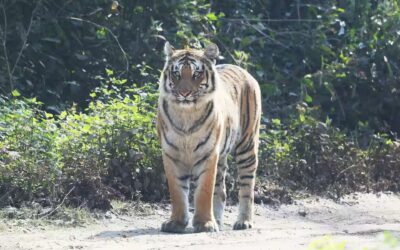
The recovery here was not immediate, but it was steady. Over successive national tiger assessments, Corbett Tiger Reserve has remained among the highest-ranking reserves in terms of tiger population. That consistency mattered. It proved that strict protection, when maintained, could reverse decline.
In many ways, Corbett became the working model for how Project Tiger would function across the country.
The Landscape That Makes It Possible
Corbett sits within the Terai Arc landscape, a stretch of forest and grassland running along the Himalayan foothills across northern India and into Nepal. This is one of Asia’s most important wildlife corridors.
The Ramganga River flows through the reserve, sustaining riverine forests and grasslands that hold dense prey populations. Sal forests provide cover. Open chaurs allow visibility and movement. Hills and valleys create natural boundaries between territories.
This diversity allows tigers to establish and defend space without exhausting resources. A forest that can sustain prey year-round can sustain predators year-round.
Corbett is not important only because it has tigers. It is important because the habitat still functions.
What High Tiger Density Really Means
Corbett consistently reports among the highest tiger numbers in India. That is not simply a statistic for visitors.
High density reflects decades of effective anti-poaching enforcement, a strong and stable prey base, limited disturbance in core areas, and long-term habitat management that has resisted compromise. Maintaining all of those conditions simultaneously over fifty years is genuinely difficult. It requires policy continuity, consistent funding, local cooperation, and political will that outlasts individual administrations.
When tigers disperse from Corbett into surrounding forests, they strengthen the wider regional population. A stable source population like this supports genetic diversity across the Terai landscape. In conservation terms, that makes Corbett foundational rather than simply successful.
The Human Dimension
The forest does not exist in isolation. Villages surround the reserve. Elephants damage crops. Leopards take livestock. Living next to a thriving predator population has real consequences for communities with limited resources to absorb those losses.
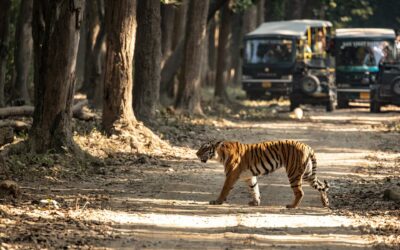
Compensation systems, buffer zones, regulated tourism, and local employment in safari operations all play a role in reducing conflict. The balance is not perfect, but Corbett’s long survival shows that coexistence, while complex, is possible.
When local communities benefit from the forest, they protect it. That reality is as critical as any patrol unit.
What Corbett Has Taught India
Over five decades, Corbett has helped shape the national conservation framework in ways that now feel standard but were not always obvious. Core-buffer zoning, controlled tourism models, long-term tiger monitoring, and corridor protection all evolved through field experience rather than arriving as finished policies.
Corbett has been part of that evolution since the beginning. The approaches tested here, refined here, and sometimes corrected here went on to influence how tiger reserves across India are managed. It has demonstrated that tiger conservation is not about a single dramatic intervention. It is about consistency applied over time.
Why It Matters Nationally and Globally
India holds more than seventy percent of the world’s wild tiger population. The success or failure of tiger conservation here determines the species’ future.
Corbett is one of the strongest examples of sustained recovery within a densely populated country. It proves that a large carnivore can survive and even thrive when habitat protection remains uncompromised over time.
Final Thoughts
Corbett is not important because it is old. It is important because it has worked.
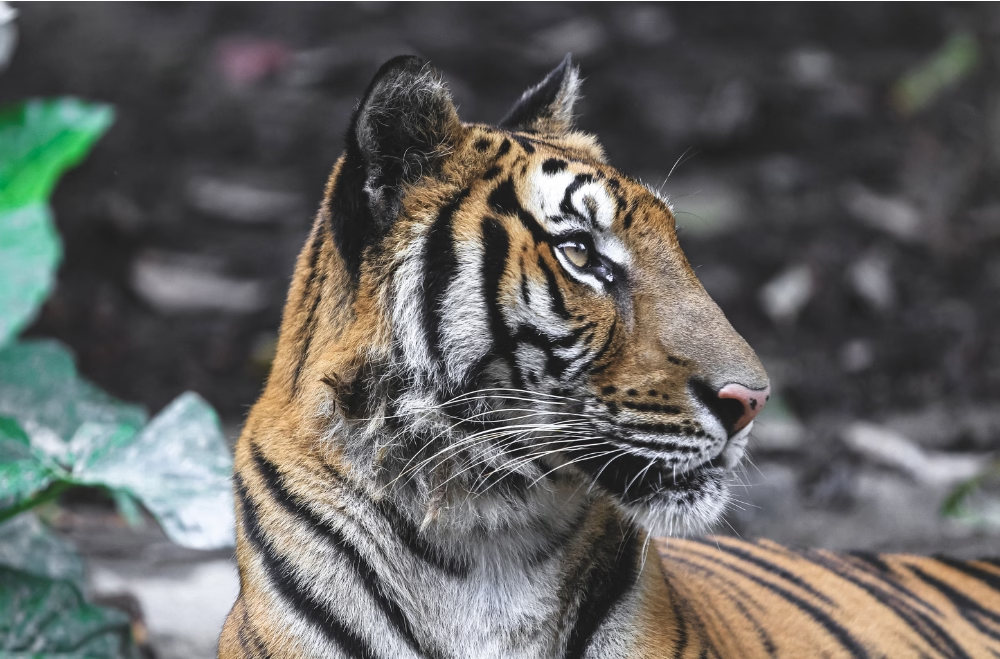
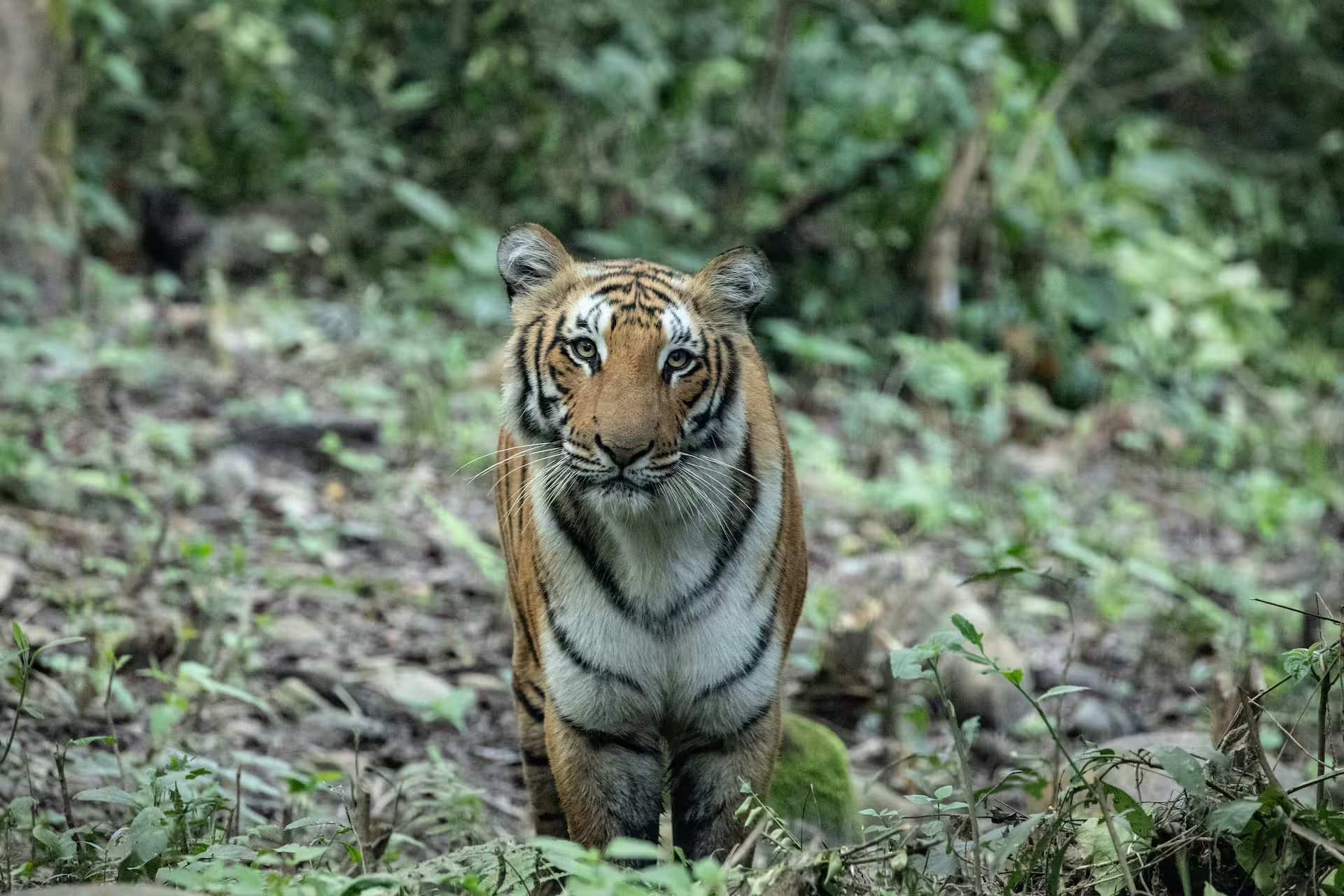
The tigers seen there today are the result of decisions made in the 1970s and maintained year after year since. That continuity is rare in conservation.
When you enter Corbett, you are not just entering a forest with tigers. You are stepping into one of the places where modern tiger conservation proved itself possible.