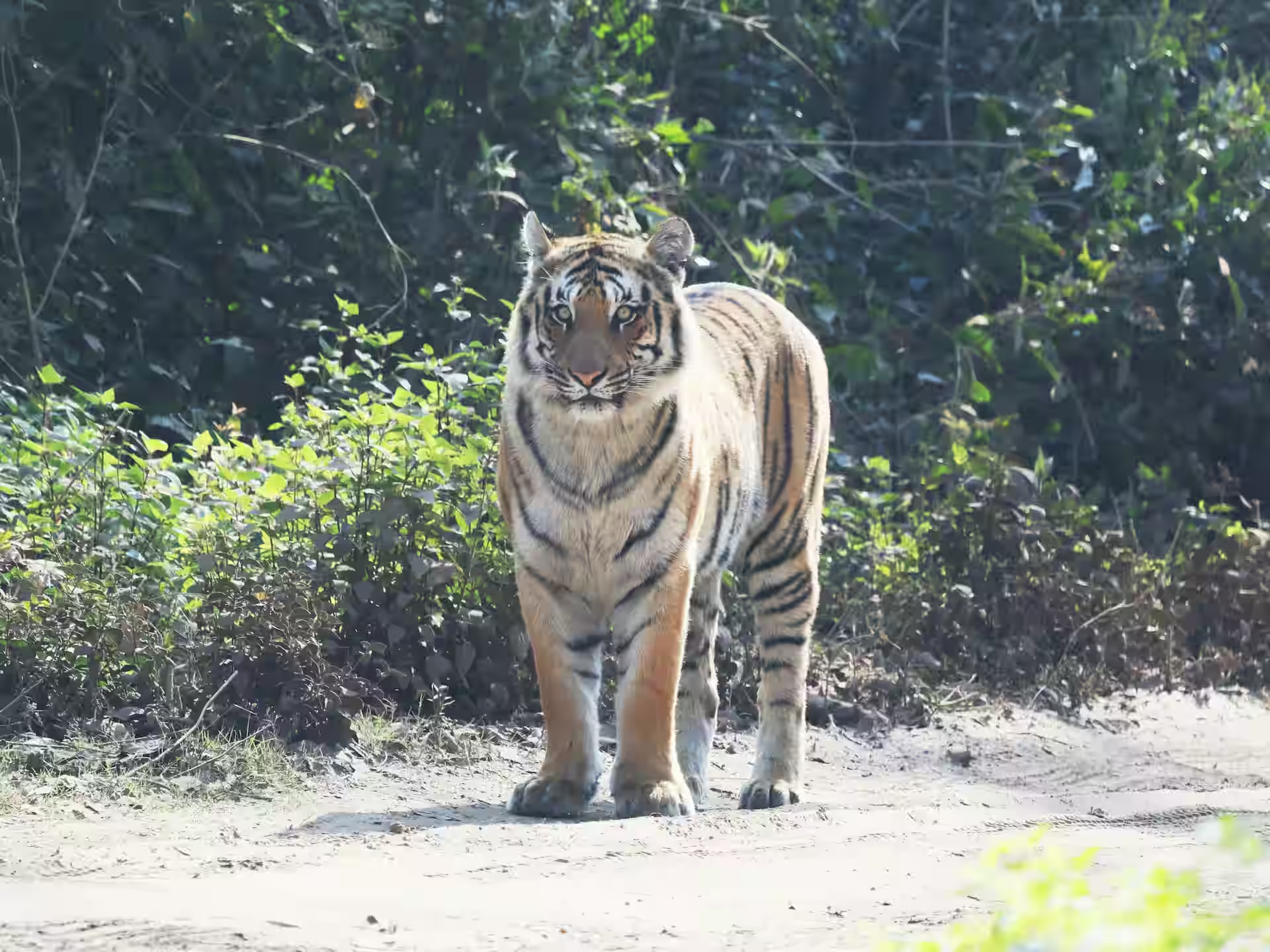
Safari Zone Access and Booking Priority
Jim Corbett divides into multiple zones including Dhikala, Bijrani, Jhirna, Durgadevi, and Dhela. Permit allocation happens through an online lottery system operated by the forest department. Both luxury and budget operators work within this same framework, and neither receives preferential treatment in the official booking system.
The practical difference lies in booking management and flexibility. Luxury safari operators monitor permit availability across multiple dates and zones, adjusting itineraries when preferred zones fill up. They handle the technical aspects of online registration, payment processing, and permit collection. Budget travelers typically manage bookings independently, which requires familiarity with the government portal and quick decision-making when permits release.
Luxury packages often include backup zone options if primary choices become unavailable. This planning reduces the risk of visiting Corbett without confirmed safari access. Budget operators work with whatever zones guests book themselves, offering limited assistance with alternative arrangements. During peak season when permits sell within minutes of release, this support difference becomes significant.
Some premium operators maintain relationships with multiple accommodation facilities across different gate locations. This network allows them to switch lodging based on which zones get allocated, minimizing travel time to entry gates. Budget stays typically fix your base location regardless of zone assignment, potentially adding an hour of road travel before safaris begin.
Jeep Quality and Comfort Standards
Forest department regulations specify basic vehicle requirements for all safari jeeps. However, comfort levels vary considerably between budget and luxury operators. Budget safari jeeps meet minimum standards with open-top Gypsies featuring bench seating for six tourists plus driver and guide. Seat padding is basic, and suspension quality varies depending on vehicle age and maintenance schedules.
Luxury operators maintain newer vehicle fleets with better suspension systems, cushioned seating, and clean interiors. Some provide individual seating arrangements instead of cramped bench rows, improving photography angles and personal space. Vehicle cleanliness standards are higher, with daily washing and interior maintenance between safaris.
Seating position matters more than most visitors realize. In shared budget jeeps with six tourists, middle seats restrict movement and create challenging angles for photography or binocular use. Luxury operators often limit group size to four or five guests, or offer private jeep options where your group alone occupies the vehicle. This space advantage becomes critical during wildlife sightings when everyone wants optimal viewing positions simultaneously.
Cold weather safaris reveal another comfort gap. Budget jeeps provide minimal protection from early morning chill beyond basic canvas side coverings. Luxury operators supply blankets, and some vehicles feature better windshield coverage. While these seem like minor details, shivering through a three-hour winter morning safari diminishes the experience regardless of wildlife sightings.
Naturalist Expertise and Guiding Quality
This represents perhaps the most significant difference between luxury and budget safari experiences. Forest department regulations require a trained guide in every vehicle, but expertise levels vary dramatically. Budget safaris typically employ guides with basic wildlife certification who know common species and can spot obvious animals. Their knowledge covers identification but rarely extends to behavioral interpretation or ecological relationships.
Luxury safari naturalists usually hold advanced qualifications, years of field experience, and deep familiarity with Corbett’s specific terrain and resident wildlife. These professionals understand individual tiger territories, elephant herd movement patterns, seasonal bird migrations, and prey distribution. They interpret animal behavior during sightings, explaining what actions mean and predicting likely movements.
The value becomes apparent in subtle situations. When tracks appear on the safari road, experienced naturalists read age, direction, and species accurately. They notice alarm calls from langurs or deer that signal predator presence nearby, directing driver attention appropriately. Budget guides might identify a tiger if spotted but miss the signs that one crossed the path just minutes earlier.
Educational depth differs substantially. Luxury naturalists explain ecosystem dynamics, carnivore-prey relationships, conservation challenges, and park history throughout the safari. They transform the experience from simple animal spotting into ecological learning. Budget guides provide basic facts about animals seen but rarely engage in deeper interpretation.
Communication quality also varies. Premium naturalists gauge guest knowledge levels and adjust explanations accordingly, avoiding both oversimplification and excessive jargon. They encourage questions and create interactive experiences. Budget guides often stick to formulaic commentary regardless of audience engagement.
Wildlife Spotting Efficiency
Better naturalists directly increase wildlife detection rates. Luxury safari guides develop pattern recognition through constant field exposure. They know which areas different species favor during specific seasons and times of day. This knowledge optimizes route selection within permitted zones, focusing on high-probability locations rather than aimless driving.
Experienced naturalists maintain alert observation across multiple sensory inputs simultaneously. They scan for movement in dense vegetation, listen for alarm calls and territorial sounds, watch bird behavior that indicates predator activity, and monitor other jeeps’ positioning for clues. Budget guides tend toward reactive spotting, seeing animals only when clearly visible rather than proactively hunting for subtle signs.
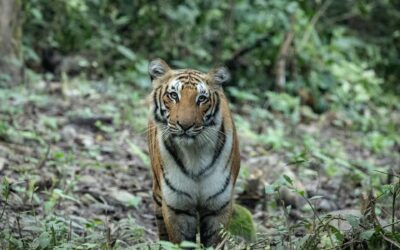
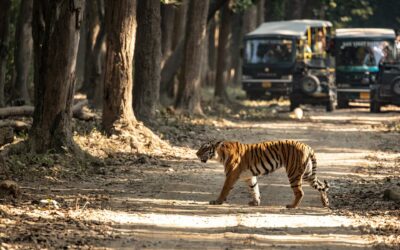
The advantage compounds during brief sighting windows. When a tiger appears on the road, skilled naturalists quickly position vehicles for optimal viewing angles while respecting distance regulations. They predict likely movement direction and reposition accordingly. Budget drivers often react slowly, leaving guests with partially obscured views or missing the animal entirely as it disappears into vegetation.
Photography success correlates strongly with naturalist skill. Experienced guides understand composition needs, positioning vehicles to avoid backlighting and maximize subject clarity. They communicate quietly with drivers for smooth repositioning without disturbing wildlife. Budget safaris rarely demonstrate this coordination, resulting in rushed, poorly angled photographs despite successful sightings.
Patient observation represents another expertise marker. When spotting a resting leopard in distant trees, skilled naturalists wait and watch rather than immediately leaving. They understand predator behavior patterns and know that waiting fifteen minutes might reveal stalking or territorial marking worth observing. Budget safaris tend to tick boxes quickly and move on, reducing the depth of encounters.
Group Dynamics and Safari Atmosphere
Shared budget jeeps create mixed group dynamics that can enhance or diminish experiences depending on fellow travelers. A cooperative group sharing excitement creates positive energy and combined observation coverage. However, problematic behaviors like excessive talking, standing inappropriately, or monopolizing positions disrupt everyone’s experience. Budget operators rarely screen or manage group compatibility.
Luxury private jeeps eliminate these variables entirely. Your travel companions are self-selected, ensuring shared expectations and behavior standards. This control proves particularly valuable for serious photographers requiring specific positioning, families with children whose enthusiasm might disturb others, or visitors preferring quiet contemplative wildlife observation.
Even in non-private luxury safaris, group sizes stay smaller and screening tends to filter for genuinely interested wildlife enthusiasts. Luxury operators often communicate pre-safari expectations about noise discipline, movement restrictions, and cooperative positioning. Budget safaris skip these briefings, assuming guests understand protocols they frequently do not.
The difference affects not just your comfort but wildlife behavior. Animals tolerate quiet, calm vehicle presence but flee from loud, sudden movements. Groups that maintain discipline see more natural behavior and longer viewing opportunities. Chaotic groups trigger flight responses, ending encounters prematurely.
Safari Logistics and Time Management
Luxury safari packages handle complete logistics from accommodation pickup to park return. Morning safaris begin with wake-up calls, packed breakfast delivery, and timely vehicle arrival. This coordination ensures reaching park gates when they open, maximizing time inside when wildlife activity peaks. Post-safari, hot meals await upon return.
Budget travelers manage their own timing, often staying at accommodations distant from entry gates. Early morning starts require setting personal alarms, arranging transportation, and sometimes skipping breakfast to reach gates on time. These small stresses accumulate, and late arrivals cut valuable minutes from safari duration during prime wildlife activity hours.
Permit management also differs. Luxury operators handle all paperwork, identity verification, and gate formalities efficiently. They maintain relationships with forest staff that smooth check-in processes. Budget visitors navigate bureaucracy independently, sometimes encountering delays from incomplete documentation or unfamiliarity with procedures.
Between morning and afternoon safaris, luxury packages provide structured downtime at quality accommodations with meals, rest facilities, and resort amenities. Budget travelers often return to basic rooms with limited comfort, reducing rest quality before the second safari. This matters during multi-day visits when cumulative fatigue affects alertness during actual wildlife watching.
Equipment provision represents another practical difference. Luxury operators often supply binoculars for guests without their own, and some provide field guides or species checklists. Budget safaris assume guests bring necessary equipment. For international visitors or casual wildlife tourists, this support removes barriers to effective observation.
Accommodation and Meal Support for Safari Readiness
While accommodations are not the primary focus, they directly impact safari effectiveness. Luxury resorts positioned near primary park gates minimize travel time, providing extra sleep before dawn departures. Their reliable wake-up services, quick breakfast arrangements, and organized departure procedures eliminate morning chaos that can delay park entry.
Budget guesthouses in Ramnagar town may sit 30-45 minutes from preferred gates. This distance requires earlier wake times and introduces traffic variables that risk late arrivals. Basic facilities might lack consistent hot water for post-safari showers or comfortable beds for afternoon rest between safaris.
Meal quality affects energy levels during long safari hours. Luxury operators provide nutritious packed breakfasts for early safaris, with fresh fruits, protein options, and hot beverages in thermoses. Budget arrangements often feature basic biscuits and cold sandwiches. While seemingly minor, proper nutrition maintains alertness during critical wildlife observation periods.
Multi-day safari itineraries reveal these differences most clearly. Luxury guests maintain consistent energy and enthusiasm across multiple consecutive safaris due to quality rest and meals. Budget travelers sometimes experience declining engagement as fatigue accumulates from inadequate recovery between outings.
Cost Comparison and Value Analysis
Budget safari packages typically cost approximately INR 5,000 to INR 8,000 per person for a two-day, one-night trip including basic accommodation, meals, and two safaris in shared jeeps. The largest variable is accommodation standard, with forest rest houses on the lower end and economy hotels higher. Safari permits cost around INR 6,500 per jeep (divided among six passengers), plus guide and vehicle fees.
Luxury safari experiences range from approximately INR 20,000 to INR 50,000 per person for comparable duration, depending on property tier and season. This includes premium accommodation, all meals, expert naturalist services, and typically two safaris with smaller group sizes or private vehicle options. Some packages incorporate additional nature activities within resort properties.
The price multiplier of four to eight times requires justification through tangible experience improvements. For visitors prioritizing wildlife sightings above comfort, budget options deliver adequate value. The animals spotted do not differ between categories, and permit costs remain identical. However, luxury naturalist expertise demonstrably increases sighting frequency and encounter quality through superior tracking and positioning skills.
Photography enthusiasts often find luxury safaris worth the premium due to better vehicle positioning, cooperative guides, and smaller groups reducing composition obstacles. Families with young children or elderly members benefit from comfort and logistical support that reduces stress and maximizes enjoyment. First-time safari visitors gain substantially from expert interpretation that enhances understanding beyond simple animal identification.
Repeat visitors familiar with Corbett’s zones, wildlife patterns, and booking systems extract less relative value from luxury services. Their experience allows independent navigation of logistics that challenge newcomers. Solo travelers or tight-budget groups might prefer allocating resources toward additional safari days rather than per-day luxury, increasing cumulative wildlife exposure time.
Comparison Table: Luxury vs Budget Safari Experience
| Safari Component | Budget Experience | Luxury Experience |
|---|---|---|
| Zone Booking | Self-managed through government portal | Full assistance with monitoring and backup options |
| Jeep Condition | Basic Gypsy, standard maintenance | Well-maintained fleet, enhanced comfort |
| Group Size | 6 tourists per jeep (shared) | 4-5 tourists or private vehicle options |
| Naturalist Quality | Basic certified guide | Expert with advanced qualifications and field experience |
| Wildlife Spotting | Reactive observation | Proactive tracking with pattern knowledge |
| Safari Logistics | Self-coordinated timing and transport | Complete pickup, permits, and schedule management |
| Equipment Provided | None (bring your own) | Binoculars, field guides often supplied |
| Photography Support | Limited vehicle positioning | Strategic positioning, composition assistance |
| Educational Value | Basic species identification | Deep ecological interpretation and behavior analysis |
| Gate Proximity | Often 30-45 minutes travel time | Typically under 15 minutes from entry gates |
| Cost (2D/1N package) | Approximately INR 5,000-8,000 per person | Approximately INR 20,000-50,000 per person |
Which Safari Experience Suits Different Travelers
Budget safaris work effectively for experienced wildlife enthusiasts who understand safari protocols and can manage independent bookings. Solo travelers comfortable with shared group dynamics find adequate value without premium costs. Student groups, backpackers, and large friend circles prioritizing affordability over guidance depth should choose budget options.
Local Indian travelers familiar with government booking systems and Hindi communication with guides navigate budget safaris smoothly. Repeat Corbett visitors who have already learned park geography and wildlife patterns through previous trips need less interpretive support. Photographers with extensive wildlife experience who know positioning requirements can work within budget safari constraints.
Luxury safaris prove worthwhile for first-time safari visitors who lack wildlife observation experience and benefit substantially from expert guidance. International tourists unfamiliar with Indian bureaucracy and local logistics appreciate comprehensive management. Serious wildlife learners interested in ecology beyond surface-level animal spotting gain considerable value from naturalist expertise.
Families with mixed age groups including young children or elderly members find luxury coordination and comfort reduce stress significantly. Couples seeking romantic wildlife experiences prefer private vehicles and quality accommodations. Professional wildlife photographers requiring specific positioning and timing coordination need the flexibility luxury guides provide.
Visitors with limited Corbett time who must maximize single-visit success rates should invest in luxury expertise that increases sighting probability. Those planning multi-day safaris where cumulative fatigue affects performance benefit from superior rest facilities and meal quality between outings.
What Actually Determines Safari Success
Regardless of budget category, certain factors influence wildlife experiences more than service quality. Seasonal timing dramatically affects animal visibility, with summer months concentrating wildlife near water sources while monsoon closes parks entirely. Winter offers pleasant weather but denser vegetation that conceals animals.
Zone selection matters enormously. Dhikala grasslands provide open terrain for spotting herbivores and predators, while forested zones like Bijrani require more effort to detect wildlife in dense cover. Some zones suit specific interests better, such as Durgadevi for bird diversity or Jhirna for consistent year-round access.
Individual safari luck plays an undeniable role. Tiger movements follow territorial patterns but remain fundamentally unpredictable on specific timeframes. Two jeeps traveling the same route minutes apart might have completely different sighting success due to animal timing alone. No price point guarantees specific encounters.
Personal observation skills and patience significantly impact satisfaction. Visitors who appreciate diverse wildlife beyond charismatic megafauna enjoy richer experiences regardless of tiger sightings. Those fixated exclusively on big cats often leave disappointed despite seeing deer, birds, reptiles, and smaller mammals that comprise ecosystem diversity.
Weather conditions influence animal behavior independently of human factors. Overcast days encourage daytime movement while bright sun drives animals into shade. Rain, temperature, and wind all affect wildlife activity patterns beyond anyone’s control.
Making Your Choice
Select budget safaris if wildlife access matters more than interpretive depth and you possess confidence managing logistics independently. Your money stretches further, potentially funding additional safari days that increase cumulative sighting opportunities through repeated exposure. Accept basic comfort levels and shared group dynamics as reasonable tradeoffs for cost savings.
Choose luxury safaris when expertise and convenience justify premium pricing for your specific situation. First-time visitors, families requiring support, and travelers valuing educational enrichment alongside sightings should invest accordingly. The naturalist knowledge gap represents the most defensible luxury justification, as expert tracking genuinely improves wildlife encounter frequency and quality.
Consider hybrid approaches for extended visits. Book luxury safaris for initial park exposure when orientation and learning curves are steepest, then transition to budget options once familiar with zones and patterns. Alternatively, splurge on one luxury safari for specialized zones like Dhikala while using budget operators for more accessible areas.
Both categories provide authentic Jim Corbett experiences with real wildlife encounters. Neither guarantees specific sightings, and both support conservation through park fees and local employment. Choose based on realistic self-assessment of your wildlife knowledge, comfort requirements, and how much interpretive support enhances your personal enjoyment of natural spaces.