Nightlife in the Forest: Nocturnal Animals of Corbett
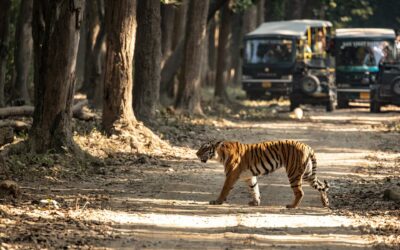
The forest in Corbett is quiet after sunset, but that is when many animals begin to move. The cooler air allows them to hunt, search for food, or travel long distances. We do not enter the core forest at night, but early morning safaris often reveal fresh signs of what happened in the dark. Learning to notice these clues helps you understand how active the forest is when most visitors are asleep.
What Makes the Forest Active at Night
At night the temperature drops. Daytime animals rest and the forest sounds become fewer. This calm movement gives space to animals that prefer silence and shade. The forest floor cools slowly, and this warmth is used by many mammals and reptiles to move around. Sound travels clearly in the night air, and the calls of owls and deer can be heard from far away.
Nocturnal Mammals to Look For
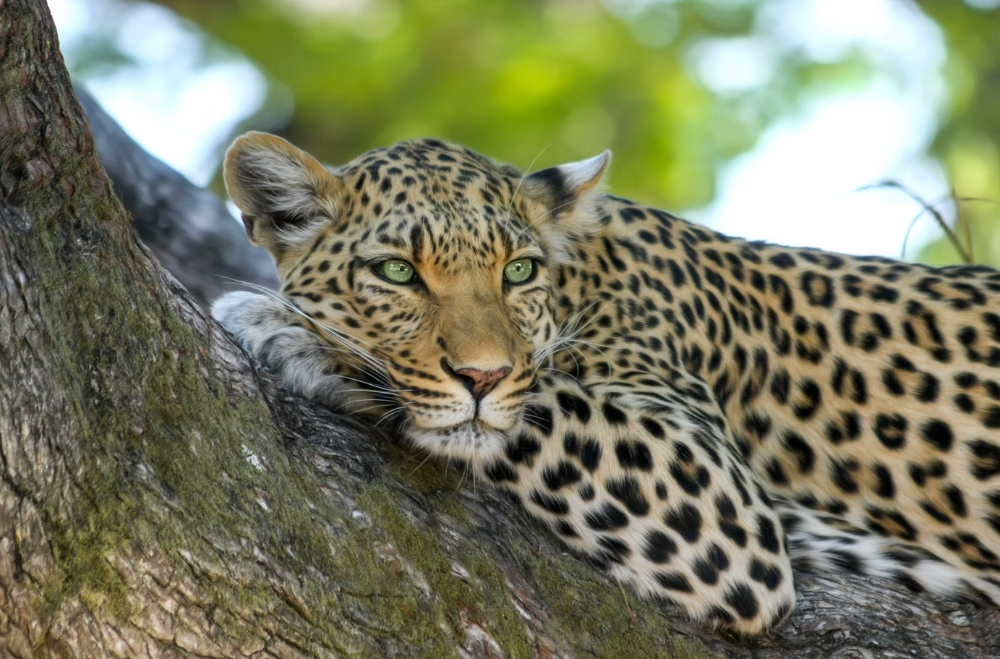
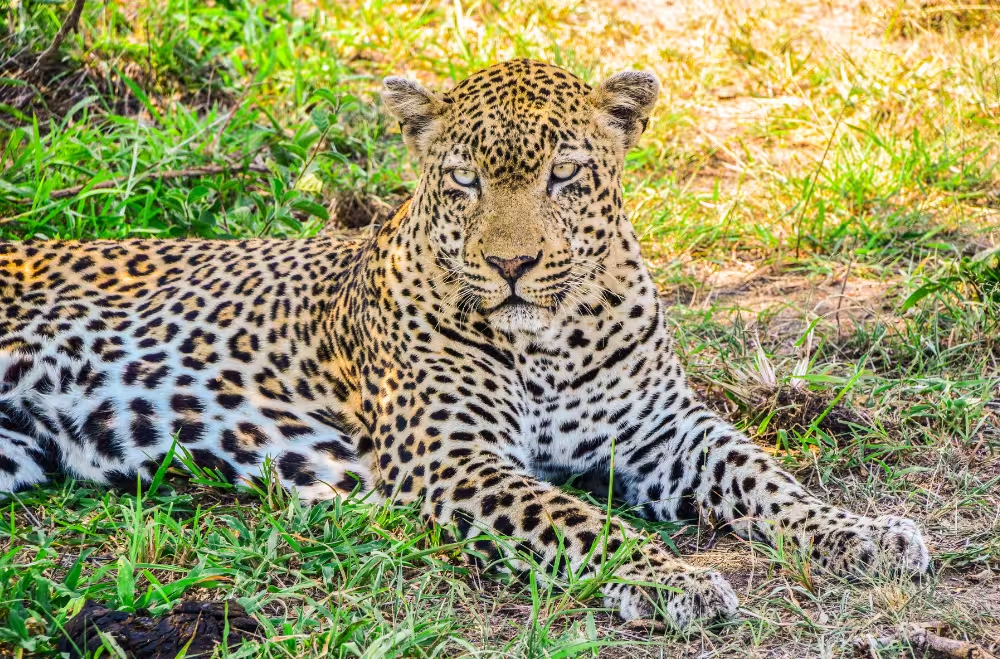
Leopard
Leopards are most active in the dark. They walk along riverbeds, forest tracks, and rocky slopes. They prefer to avoid conflict and move quietly. Early morning pugmarks on sand often tell the story of their movement.
Civets
Both Himalayan palm civets and small Indian civets come out at night. They search for fruits and small prey. Their presence is often known by their tracks near berries or water.
Porcupine
Porcupines move slowly but leave clear signs. Short dug patches, feeding marks, and fallen quills show where they have been during the night.
Flying Squirrel
Seen around dusk. It glides between tall trees. If you wait near large trunks at sunset, you may catch the movement.
Slow Loris
Very slow and careful in movement. Lives in dense canopy. Hard to spot, but known in the foothill forest zones.
Indian Grey Mongoose
Active in early morning and late evening. Quick and alert. Often seen near grass and stones close to water.
Owls and Other Night Birds
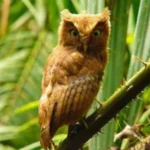
Corbett is a good place to listen for owls. Their calls guide you to understand the night mood of the forest.
- Brown fish owl near river edges
- Jungle owlet calling from wooded tracks
- Spot bellied eagle owl in deep forest patches
- Nightjars sitting still on open trails
Their calls are clear and echo across valleys at night and early dawn.
Reptiles After Dark
Reptile activity slows during the day. At night, some species use the stored warmth of the ground to move.
- Pythons may be found resting near warm soil
- Monitor lizards near old logs or river banks
- Some snakes may cross open forest roads at night
These animals are seen less often, but their track marks in soft sand are easy to spot in the morning.
Signs of Night Activity Seen at Sunrise
You may not see the animal directly, but you can see what it did.
- Fresh footprints in mud or sand
- Scratches on tree bark
- Scat left on trails
- Flattened or disturbed grass patches
- Alarm calls from deer just after sunrise
These signs help naturalists understand the movement of predators and prey.
How Naturalists Read Night Activity
Naturalists observe the forest like a map. They listen to early morning calls of langurs and chital. They check soft soil near riverbeds. They follow known paths that nocturnal animals use often. This quiet reading of signs makes morning safaris more meaningful.
Safari Experience with Us in Corbett
We offer guided safaris that focus on calm and patient observation. Our naturalists explain the signs left behind at night such as tracks, calls, and scent marks. Even without seeing the animal, you learn how the forest stays active and connected. This approach helps you understand the forest as a living place.