
Home / Flora in Corbett
Flora in Corbett
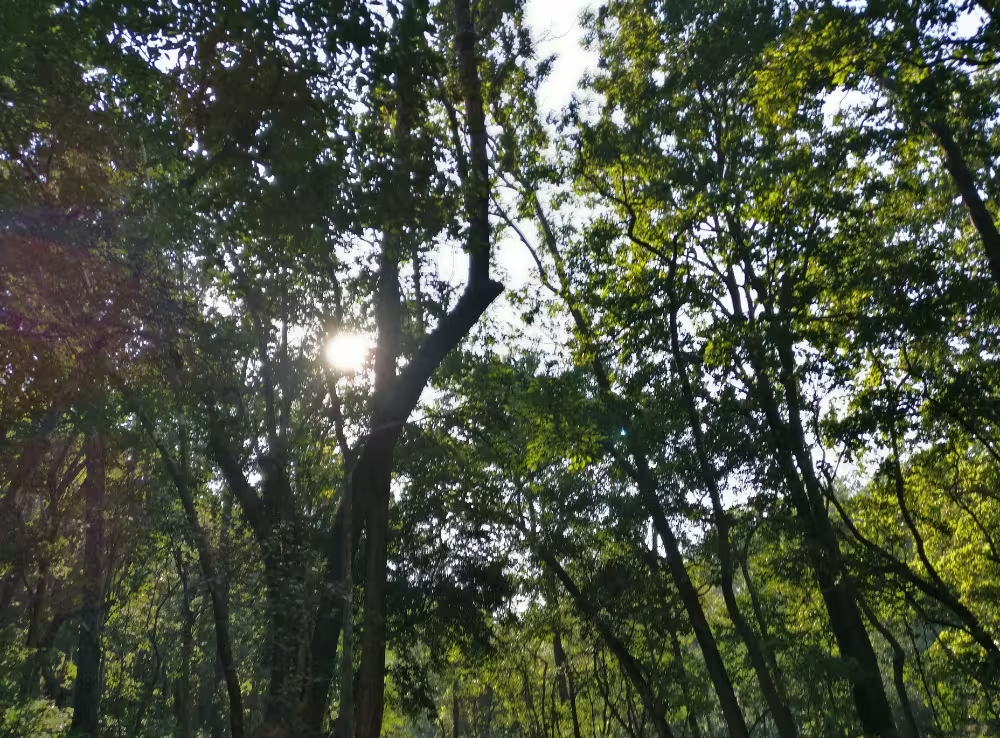
Jim Corbett National Park, nestled in the foothills of the Himalayas, is not only celebrated for its majestic tigers and rich wildlife but also for its magnificent and diverse vegetation. The park’s vast forests, riverine belts, grasslands, and marshy depressions together create a lush, thriving ecosystem that supports an incredible range of flora and fauna. The vegetation here reflects a perfect blend of subtropical and temperate forest types, making Corbett one of the most botanically diverse regions in northern India.
Dominant Tree Species
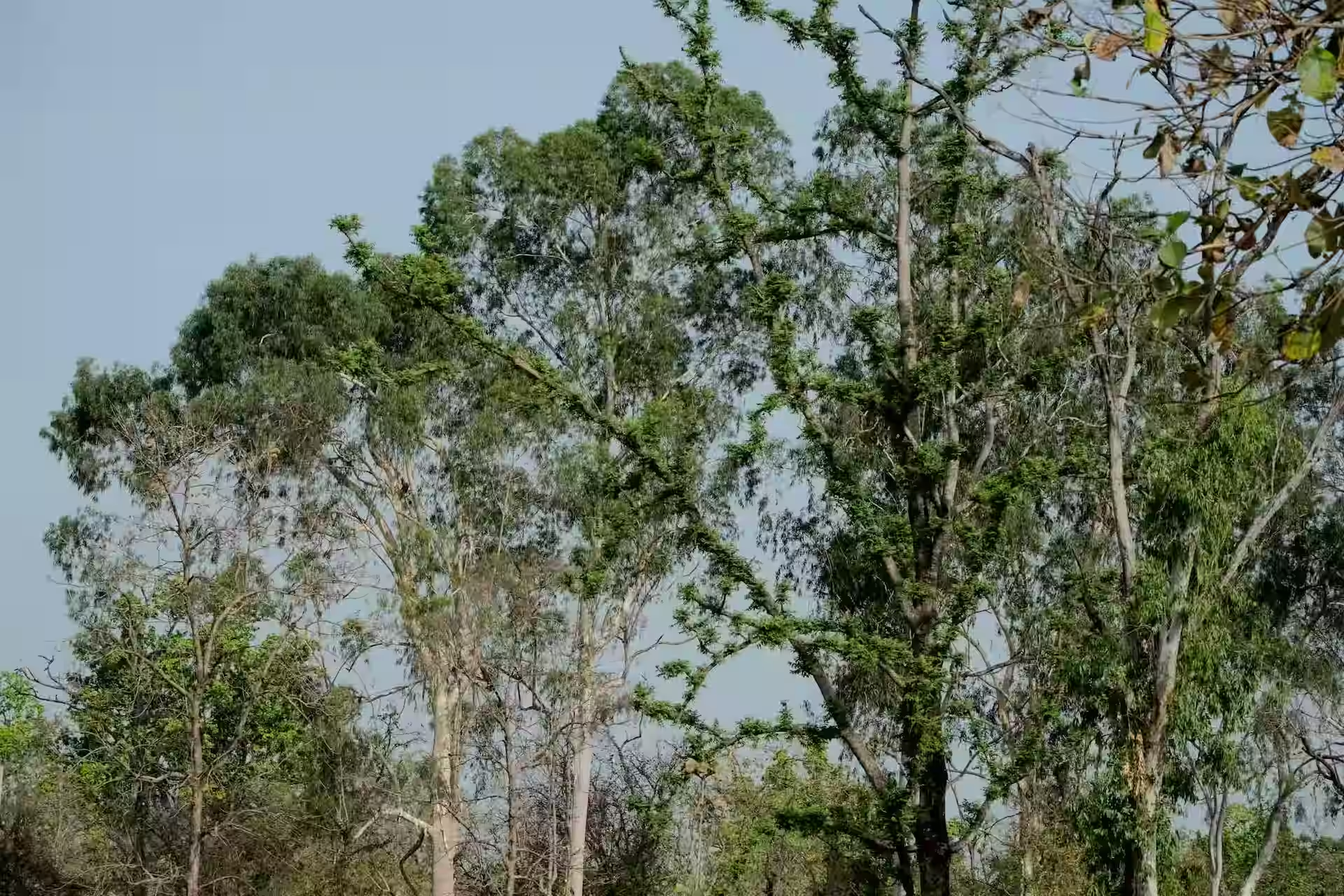
The forest cover is mainly composed of Sal (Shorea robusta), forming dense canopies across most parts of the park. Other important trees include Haldu (Adina cordifolia), Sheesham (Dalbergia sissoo), Peepal (Ficus religiosa), and Rohini (Mallotus philippensis).
- Sal Forests: Evergreen and dominant, providing thick cover and shade.
- Haldu Trees: With yellow bark, adding brightness to the forest.
- Sheesham: Common along riverbanks, strengthening the soil.
- Peepal: Sacred tree known for its heart-shaped leaves.
- Rohini: Reddish barked tree adding to the park’s variety.
In the grasslands, trees like Dhak (Flame of the Forest) and Jamun stand out with their vibrant colors, while bamboo and ferns thrive in shaded, moist areas. Together, these plants form the green heart of Corbett’s landscape, balancing beauty and biodiversity.
Grassy Meadows of Corbett
The open grasslands of Jim Corbett National Park, especially near riverbanks and forest clearings, are vital parts of its landscape. These meadows provide excellent grazing grounds for herbivores like deer, elephants, and wild boar, and are popular hunting zones for tigers. The tall grasses sway beautifully with the wind, creating a striking contrast to the dense Sal forests surrounding them.
Medicinal and Lesser-Known Plants
Corbett’s forests host a wide variety of medicinal and aromatic plants long used by local communities. Herbs such as Amla (Emblica officinalis), Harra (Terminalia chebula), and Baheda (Terminalia bellirica) are found across the region, along with many wild shrubs and climbers. Seasonal flowering plants add bursts of color, making Corbett’s forest floor vibrant and alive throughout the year.
Major Flora of Corbett – Common and Botanical Names
| Common Name(s) | Scientific Name |
|---|---|
| Sal | Shorea robusta |
| Haldu | Adina cordifolia |
| Sheesham / Indian Rosewood | Dalbergia sissoo |
| Peepal / Sacred Fig | Ficus religiosa |
| Rohini | Mallotus philippensis |
| Jamun / Indian Blackberry | Syzygium cumini |
| Dhak / Flame of the Forest | Butea monosperma |
| Amaltas / Golden Shower Tree | Cassia fistula |
| Semal / Silk Cotton Tree | Bombax ceiba |
| Kusum | Schleichera oleosa |
| Baheda | Terminalia bellirica |
| Amla / Indian Gooseberry | Emblica officinalis |
Seasonal Changes in Vegetation
Winter (November to February)
The forests of Corbett remain cool, misty, and vibrant green. The grasslands are covered with dew, and riverbanks come alive with lush vegetation, offering a picturesque landscape for visitors.
Summer (March to June)
As temperatures rise, many trees like Sal and Sheesham shed some of their leaves, opening up forest views for better wildlife sightings. Flowering trees such as Dhak and Amaltas add bright hues of red and yellow to the scenery.
Monsoon (July to September)
Heavy rains transform Corbett into a dense green haven. New shoots and wildflowers flourish, rejuvenating the forest, though most of the park remains closed for tourists during this period.
Best Selling Packages
2 Nights / 3 Days
Corbett Weekend Tour
3 Nights / 4 Days
Corbett Budget Tour
6 Nights / 7 Days
Corbett & Ranthambore Safari
7 Nights / 8 Days
Corbett, Ranthambore & Taj Mahal Safari
FAQs – Flora in Corbett
What is the most common tree in Corbett?
Sal (Shorea robusta) is the most dominant tree species, covering large areas of the park’s forest.
Why are grasslands important in Corbett?
They serve as vital grazing grounds for deer, elephants, and other herbivores, while also providing open hunting zones for predators like tigers.
Can tourists see flowering plants in Corbett?
Yes, especially during spring and early summer when trees like Dhak, Amaltas, and Semal bloom, adding bright colors to the forest.
Are there any medicinal plants in Corbett?
Yes, herbs such as Amla, Harra, and Baheda are found here, traditionally used by local communities for their healing properties.